
What are orthotics?
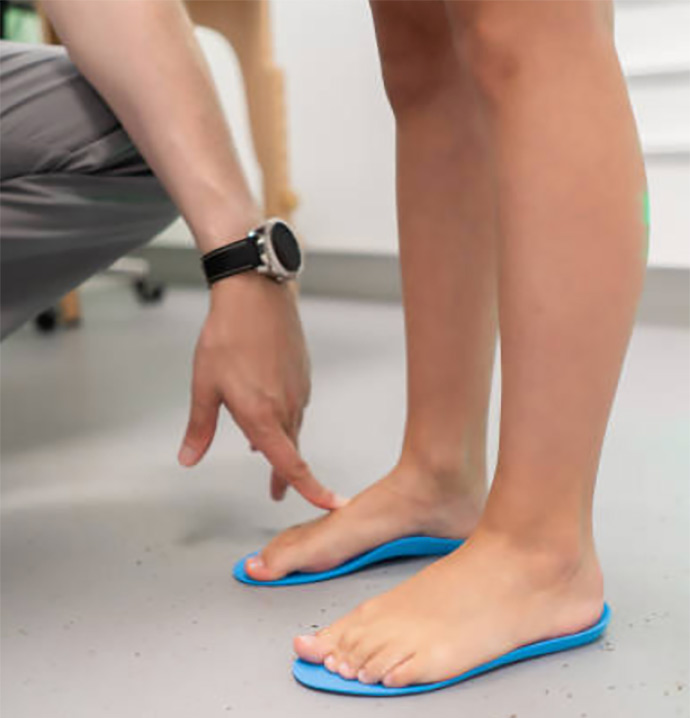
Orthotics are custom-made shoe inserts designed to improve the alignment of your feet and lower limbs during activities like walking, standing, or running. The analogy often used is comparing your feet to the wheels of a car; if the alignment is off, it can cause excessive strain and pressure on other body parts, leading to wear, tear, and discomfort.
Restoring correct foot function and realigning the feet, knees, hips, and lower back can relieve or prevent the pain associated with poor alignment. Orthotics come in various types, and a podiatrist may prescribe either generic off-the-shelf orthotics or custom-made orthotic insoles, depending on the level of correction required and the specific case.
On some occasions, custom-made orthotics are required for the best results. Your podiatrist will complete a number of assessments in order to gain the most accurate interpretation of your foot and lower limb function.
How do orthotics work?
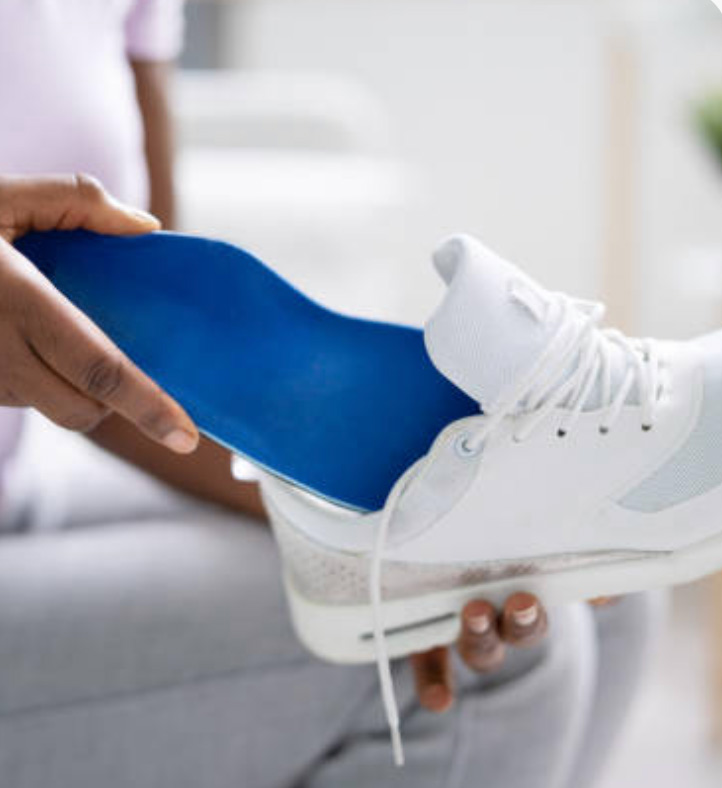
Orthotics work by providing support, correcting alignment, and improving foot function. They are custom-made insoles inserted into footwear to address biomechanical imbalances. By redistributing pressure, offering cushioning, and enhancing alignment, orthotics can alleviate pain, boost mobility, and prevent further complications. Orthotics are tailored to individual needs through a detailed assessment by healthcare professionals, including physical examinations and biomechanical evaluations.
There are various types of orthotics, such as functional (for controlling abnormal motion) and accommodative (for cushioning and support), designed to suit specific conditions and needs.
Adapting to orthotics may take 2-4 weeks, and they should ideally be worn with supportive shoes that accommodate the device. The lifespan of orthotics depends on factors like material and activity level, with an average replacement needed every 3-4 years.
How do I know if I need orthotics?
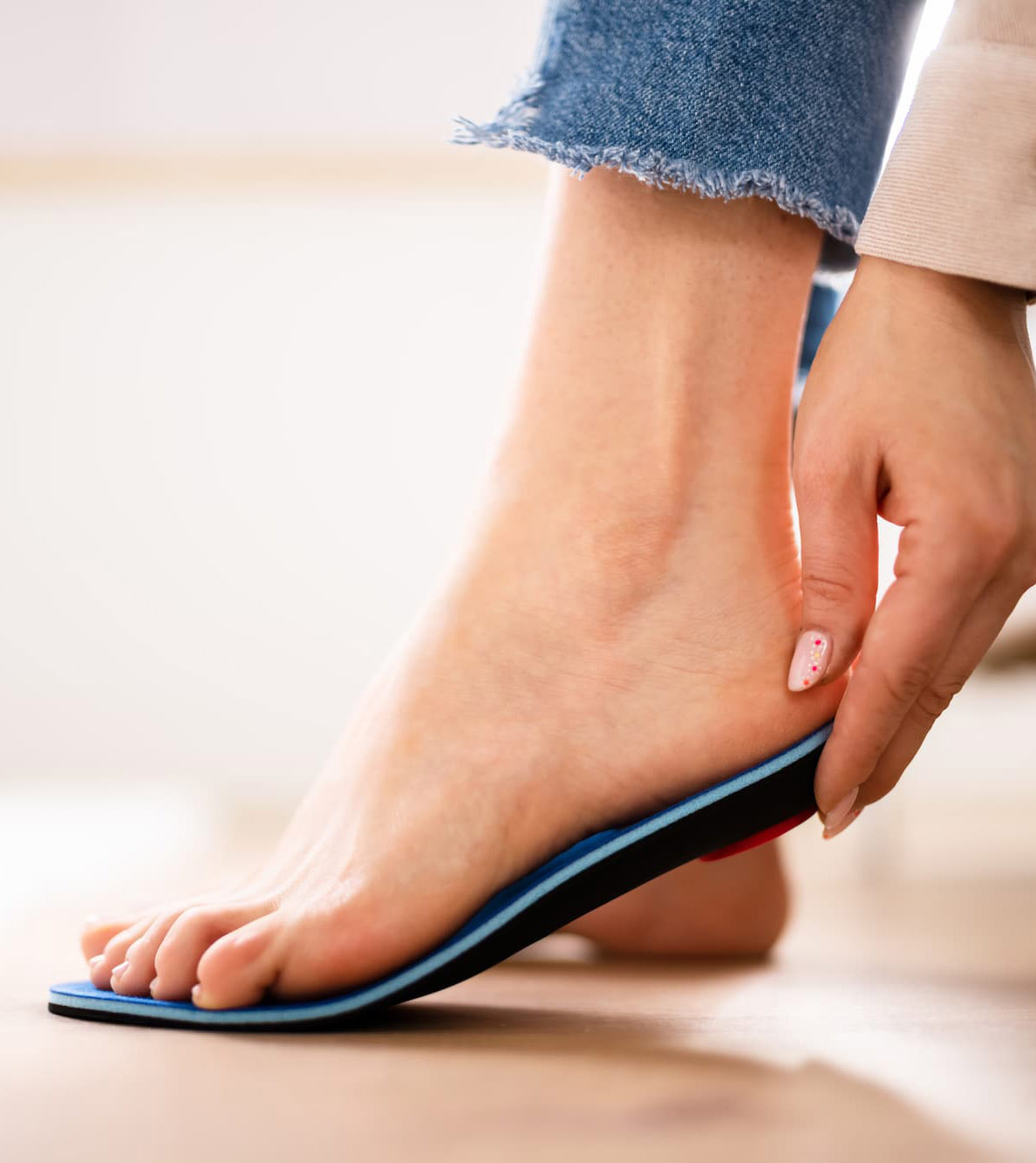
Determining whether you require custom foot orthotics involves assessing your foot health, biomechanics, and any pain or discomfort you may be experiencing. There are numerous reasons why you might need orthotics. Some reasons include having pain in your foot or heel, experiencing aches or pains in your feet or legs regularly, having high arches or flat feet, having an inward or outward rolling step, or suffering from general foot pain while walking, running, playing sports or even resting. Here are some signs and situations that might indicate the need for orthotics:
- Persistent Foot Pain
- Abnormal Foot Structure
- Frequent Ankle Sprains
- Uneven Shoe Wear
- Leg, Knee, Hip, or Back Pain
- Diabetes or Arthritis
- Discomfort During Activities
- Specialised Needs for Athletes
If you experience ongoing pain in your feet, heels, or arches that doesn’t improve, it could be a sign that you need orthotics. Conditions such as flat feet, high arches, or overpronation (excessive inward rolling of the foot) can affect your gait and lead to discomfort. Orthotics can help correct these structural issues. Weak or unstable ankles that are prone to sprains may benefit from the added support and stabilisation provided by orthotics. If your shoes wear out unevenly, particularly on one side, it may indicate abnormal foot mechanics that orthotics can help correct.
Problems in the feet can affect your entire body’s alignment. If you have pain in your legs, knees, hips, or lower back without an obvious cause, it might be related to how your feet strike the ground. Individuals with diabetes may need orthotics to prevent foot ulcers, while those with arthritis might benefit from orthotics that reduce joint pain. If you experience foot or leg pain during physical activities, running, or standing for long periods, orthotics may help alleviate discomfort by providing proper support and alignment. Athletes often use orthotics to address specific biomechanical issues and improve performance while reducing the risk of injury.
If you identify with one or more of these signs, it’s a good idea to consult a healthcare professional, such as a podiatrist from Galleria Podiatry..
Podiatric Assessments
Biomechanical Assessment
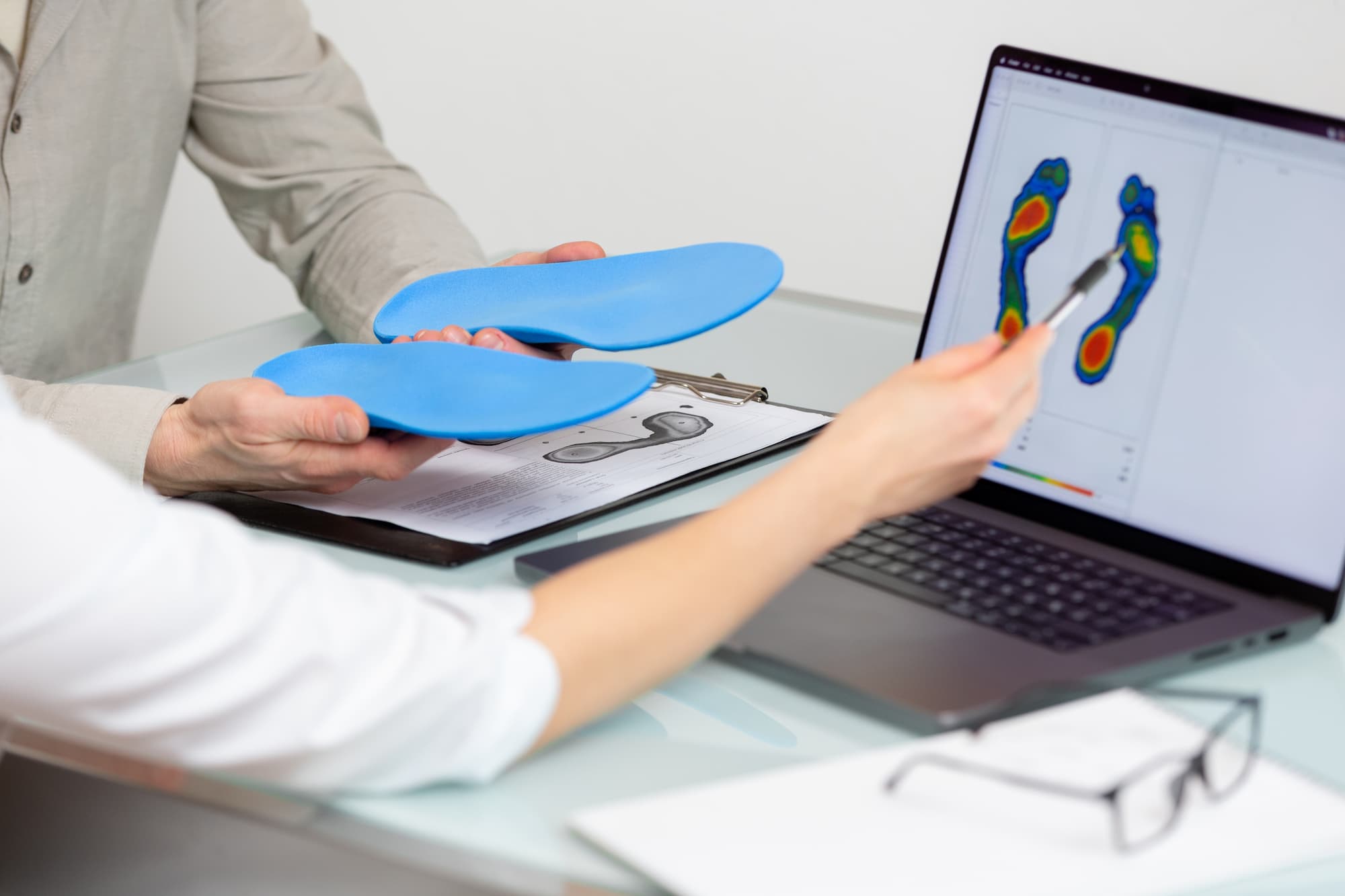
During a biomechanical assessment, your joints, muscles, and posture will be evaluated. This evaluation will include an assessment of the range of motion of your joints and muscles in your feet, ankles, knees, hips, and lower back. Additionally, measurements of limb length and other measurements will be taken to gain an accurate understanding of your lower limb capabilities.
Designing your Custom-made Orthotics
The final stage involves the podiatrist designing your custom-made orthotics. This process is unique to our clinic as we are the only clinic in WA where your podiatrist is fully involved in making custom orthotics. Once the custom orthotics are ready, typically within a week, an appointment is set for fitting the orthotics into your footwear, ensuring comfort. Instructions for wearing the devices, especially during the initial days, are provided.
After a brief period of adjustment, significant improvement in symptoms is expected within weeks. A follow-up appointment is usually scheduled four to six weeks later, by which time most individuals are expected to be pain-free.
Computerised Video Gait Analysis
A computerised video gait analysis may be conducted, involving walking or running on a treadmill while recording lower limb function. The podiatrist will review this video with you, offering a simplified analysis of the data.
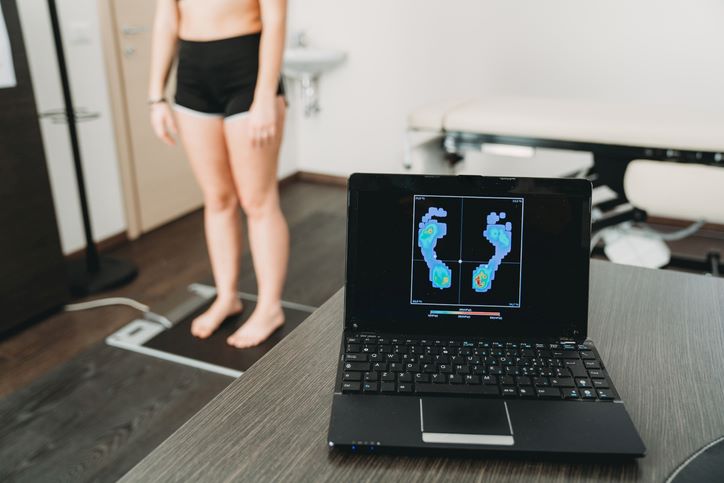
3D Scanning
Customised impressions of your feet are then captured using advanced 3D scanners, providing a highly accurate model of your feet. Some clinics, such as Galleria Podiatry, have exclusive access to state-of-the-art 3D scanners for this purpose.
What do Orthotics treat?
Orthotics are used to treat a wide range of conditions affecting the feet and lower limbs, providing relief, improving function, and preventing further complications. Here are some of the conditions commonly treated by orthotics:
- Flat Feet or Fallen Arches: Orthotics support the arches and distribute pressure more evenly across the feet.
- High Arches: They provide cushioning and support to high arches, reducing the risk of pain and injury.
- Plantar Fasciitis: Orthotics help alleviate the strain on the plantar fascia by providing proper arch support and reducing pressure on the heel.
- Achilles Tendonitis: By adjusting the alignment of the foot and ankle, orthotics can reduce the stress on the Achilles tendon.
- Bunions and Hammertoes: They help redistribute pressure away from the affected areas and can prevent further progression of these deformities.
- Metatarsalgia: Orthotics cushion and support the ball of the foot, relieving pain caused by inflammation and pressure.
- Diabetic Foot Ulcers: They redistribute pressure on the foot, reducing the risk of ulcers in individuals with diabetes.
- Arthritis: Orthotics can reduce joint pain in the feet and lower limbs by improving alignment and reducing stress on affected joints.
- Leg Length Discrepancy: Custom orthotics can compensate for differences in leg length, improving balance and gait.
- Overpronation and Supination: By correcting foot alignment, orthotics can address these common issues, improving balance and reducing the risk of injury.
Orthotics are customised to each individual’s needs, based on a comprehensive assessment by healthcare professionals. This customisation allows orthotics to effectively address the specific biomechanical issues contributing to these conditions, enhancing comfort and mobility for those affected.
For individuals experiencing foot pain or disorders, consulting with a healthcare professional, such as a podiatrist, is crucial to determine if orthotics could be beneficial as part of a comprehensive treatment plan.
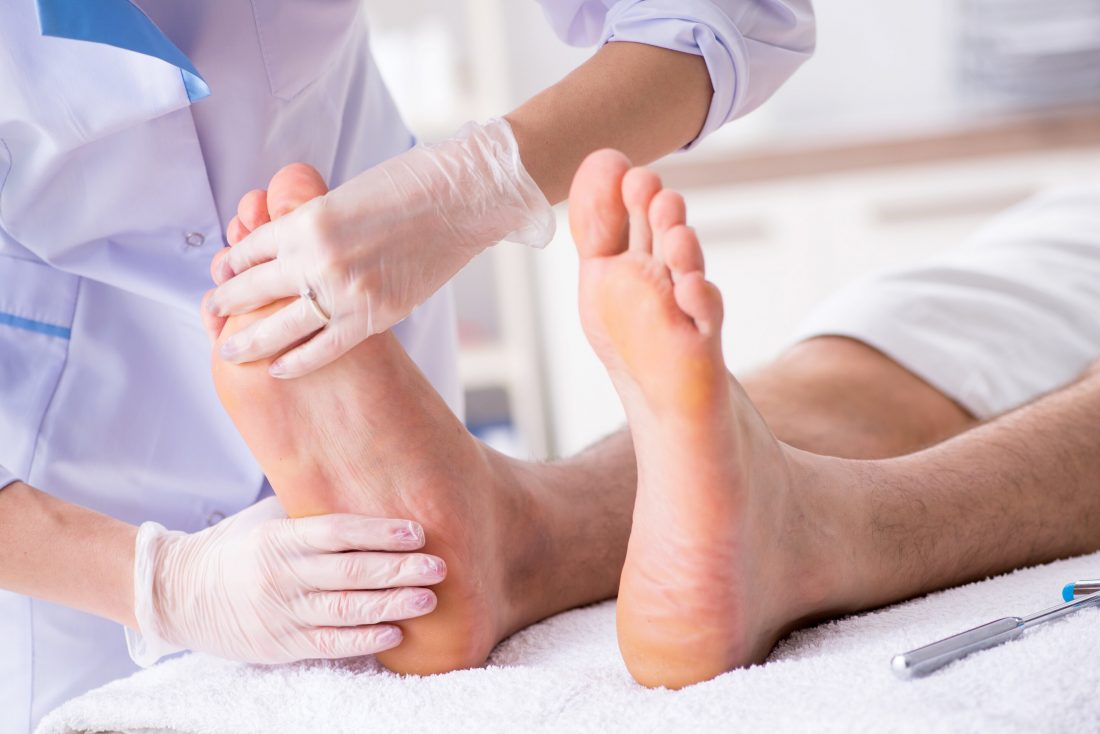
Types of Orthotics
Orthotics are specialised devices designed to support and correct the feet and lower limbs. There are several types of orthotics, each tailored for different needs and conditions:
- Rigid Orthotics: Also known as functional orthotics, these are made from materials like plastic or carbon fibre. They are primarily designed to control function and correct foot abnormalities. Rigid orthotics are often used to alleviate pain in the lower back, thighs, and lower legs.
- Soft Orthotics: Made from softer materials, these orthotics are aimed at absorbing shock, increasing balance, and taking pressure off uncomfortable or sore spots. They are beneficial for diabetic foot ulcers, arthritic feet, or severe foot deformities.
- Semi-Rigid Orthotics: These provide foot balance for walking or participating in sports. Made from layers of soft material, reinforced with more rigid materials, semi-rigid orthotics are often used by athletes and are helpful for children with foot deformities.
- Custom Orthotics: Tailored to the specific needs of the individual based on a thorough foot examination, including a gait analysis. They can be made to fit various types of shoes and activities and are designed to correct specific foot abnormalities and conditions.
- Over-the-counter (OTC) Orthotics: These are prefabricated and can be purchased without a prescription. While not customised, OTC orthotics can provide relief for common foot ailments and minor discomfort. They are less expensive than custom orthotics but may not provide the same level of support or correction.
- Specialised Orthotics: These include orthotics designed for specific activities or sports, addressing the unique needs and stresses associated with different types of physical activity. There are also orthotics made for specific conditions, such as diabetes, which focus on reducing pressure points to prevent foot ulcers.
Each type of orthotic serves a different purpose, and the best choice depends on the individual’s specific foot structure, the severity of the problem being addressed, and the type of activities they engage in. A healthcare professional, such as a podiatrist, can provide a detailed assessment and recommend the most appropriate type of orthotic for your needs.
How much do orthotics cost?
The cost of orthotics can vary widely, with custom orthotics ranging from $300 to $800, based on the degree of customisation and materials used. Semi-custom orthotics can cost between $60 and $300, offering a balance between customisation and affordability. Over-the-counter (OTC) orthotics are the most economical option, ranging from $30 to $100, but they provide the least personalised support.
Want to learn more about Orthotics?
Book an appointment with Galleria Podiatry.
YOUR ORTHOTICS QUESTIONS ANSWERED
What are orthotics?
Orthotics are custom-made shoe inserts designed to improve the alignment of your feet and lower limbs during activities like walking, standing or running. They work by redistributing pressure, offering cushioning and enhancing alignment to alleviate pain, boost mobility and prevent further complications.
How do I know if I need orthotics?
You may need orthotics if you experience persistent foot pain, have flat feet or high arches, suffer frequent ankle sprains, notice uneven shoe wear, have pain in your legs, knees, hips or lower back, or experience discomfort during physical activities. People with diabetes or arthritis may also benefit from orthotics.
What makes Galleria Podiatry's orthotics different?
Galleria Podiatry is the only clinic in WA where your podiatrist is fully involved in making custom orthotics. This ensures a more personalised approach to your orthotic design and fitting.
How long does it take to get custom orthotics?
Custom orthotics are typically ready within one week. An appointment is then scheduled for fitting the orthotics into your footwear to ensure comfort.
How long does it take to adjust to orthotics?
Adapting to orthotics may take 2-4 weeks. While some people might experience temporary discomfort during the adjustment period, most side effects are minor. Some patients notice relief within days or weeks, while others may need longer.
How long do orthotics last?
The lifespan of orthotics depends on factors like material and activity level, with an average replacement needed every 3-4 years.
What assessments are involved in getting orthotics?
Your podiatrist will conduct several assessments including a biomechanical assessment evaluating your joints, muscles and posture, 3D scanning to capture customised impressions of your feet and computerised video gait analysis to review your walking or running patterns.
What conditions can orthotics treat?
Orthotics can treat flat feet, high arches, plantar fasciitis, Achilles tendonitis, bunions, hammertoes, metatarsalgia, diabetic foot ulcers, arthritis, leg length discrepancy and overpronation or supination issues.
How much do orthotics cost?
Custom orthotics range from $300 to $800 based on the degree of customisation and materials used. Semi-custom orthotics cost between $60 and $300, while over-the-counter orthotics range from $30 to $100.
Can I use orthotics during sports?
Yes, orthotics can be used during sports and physical activities to improve performance and reduce injury risk. Athletes often use them to address specific biomechanical issues.
What's the difference between custom orthotics and over-the-counter inserts?
Custom orthotics are specifically designed for your individual biomechanical issues based on a thorough foot examination and gait analysis, providing more precise support and correction than the general support and cushioning offered by store-bought products.