
Specialised Childrens Podiatry
Are things like playing their favourite sport, running around with their friends, or just enjoying active times with the family all suddenly becoming a challenge for your child?
As parents, we want our kids to be HAPPY, HEALTHY and ACTIVE, right? No one wants to see them unhappy. We know. And we totally understand.
Did you know that if left untreated, conditions such as GROWING PAINS, ACHING FEET and SORE LEGS could result in long-term problems, making treatment much more difficult and much more expensive. Sometimes the effects are irreversible!
It’s not normal for kids to complain of foot, leg or knee or back pain so it’s time to ACT NOW to prevent it getting worse.
What is included in a child’s foot check up?
Your podiatrist will take a paediatric medical history and complete a physical examination, including a gait analysis.
In your child’s foot check-up we will be looking closely at:
- Foot Posture Index assessment
- Joint flexibility tests, including the Beighton Hypermobility Score
- Foot and leg muscle strength testing – checking for muscle imbalances or weakness
- Screening for any leg length discrepancy
- Gait analysis and biomechanical assessment – to look for any abnormalities in the way the feet and legs move during gait
- Footwear assessment – looking for abnormal shoe wear patterns. Bring along their everyday school shoes and sports shoes
When should your child have their feet checked?
Children should have a regular foot check-up at these important milestones:
Age 3 – when children develop a more adult ‘heel-toe’ gait pattern and the age when the arch has started to develop.
Age 5 – just before the start of primary school is an ideal time to have a child’s foot check-up. This is the first time a child will be wearing enclosed shoes all day, every day and participating in organised sport.
Age 11-12 – just before high-school starts. This is the start of puberty, with children getting heavier and often becoming involved in higher level sports. With the start of high school, most children will be required to wear a formal leather school shoe for the first time, so choosing the best style for their feet is important.
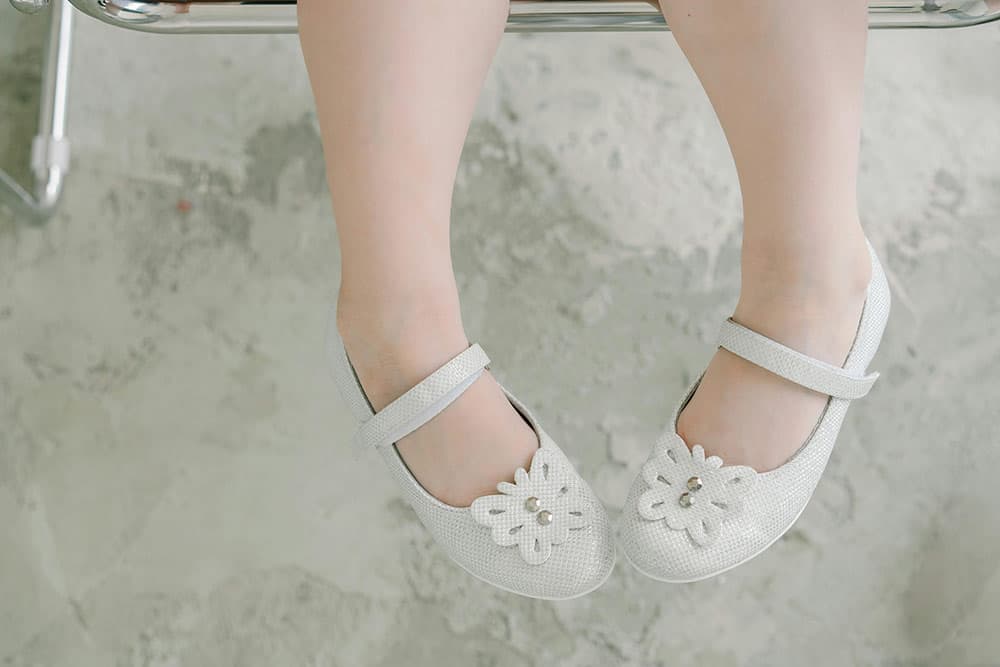
Common conditions experienced by children
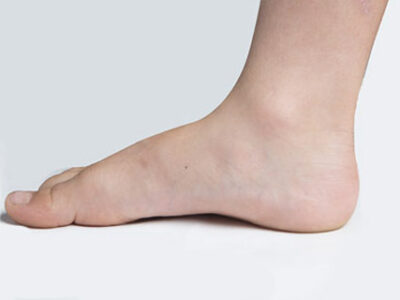
Flat Feet
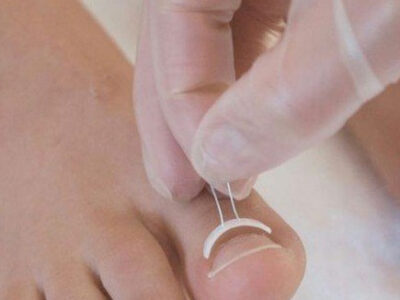
Ingrown Toenails
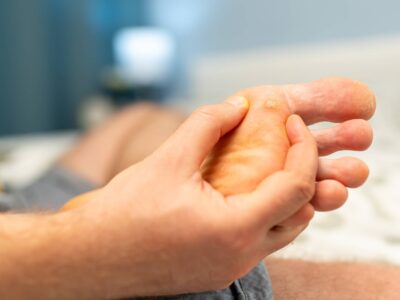
Plantar Warts
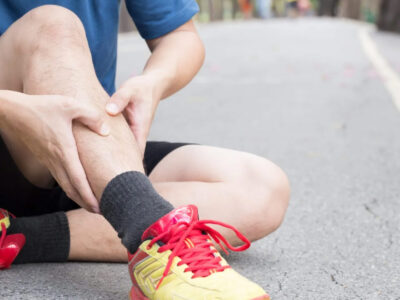
Shin Splints
Book your free children’s foot health check
Book your free children’s foot health check if you think your child may be struggling with Flat feet, Rolling in, Difficulty with balance, Frequent tripping, withdrawing or refusing to participate in school sporting activities, Foot pain, Toe walking, Pigeon toe, Knock knees or bow legs or Growing pains in legs.
Your Kids Podiatry Questions Answered
Does Galleria Podiatry offer a free assessment for children?
Yes, Galleria Podiatry offers a gap-free lower limb assessment for children. This comprehensive check-up is designed to help identify and address issues before they become long-term problems that are more difficult and expensive to treat.
What is included in a child's foot check-up?
The check-up includes a paediatric medical history, physical examination, and gait analysis. Specifically, the podiatrist will assess foot posture, joint flexibility (including the Beighton Hypermobility Score), foot and leg muscle strength, screen for leg length discrepancy, conduct a biomechanical assessment of how feet and legs move during gait, and evaluate footwear for abnormal wear patterns. Parents should bring their child’s everyday school shoes and sports shoes.
At what ages should children have their feet checked?
Galleria Podiatry recommends foot check-ups at three important milestones: age 3 (when children develop a more adult heel-toe gait pattern and the arch starts to develop), age 5 (just before primary school starts when children begin wearing enclosed shoes all day and participating in organised sport), and age 11-12 (just before high school when puberty begins, children get heavier, and often start wearing formal leather school shoes).
What common foot conditions do you treat in children?
Galleria Podiatry treats a wide range of childhood foot conditions including pigeon toes (in-toeing), growing pains, Achilles tendonitis, flat feet, heel and arch pain, plantar warts, ingrown toenails, and shin splints. They also address issues like difficulty with balance, frequent tripping, toe walking, knock knees, and bow legs.
How do you treat growing pains in children?
Growing pains are caused by disruption of the growth plates causing inflammation and pain in the lower limbs. Galleria Podiatry treats this by controlling excessive pronation with orthotics, which gently stabilises the bones, joints, and soft tissue structures in children’s feet and lower limbs, resulting in reduced pain quickly.
Is it normal for children to complain of foot, leg, knee, or back pain?
No, it’s not normal for children to complain of foot, leg, knee, or back pain. If your child is experiencing these symptoms, it’s important to seek treatment promptly. Left untreated, conditions can result in long-term problems that are more difficult and expensive to treat, and sometimes the effects are irreversible.
Do you offer a permanent solution for ingrown toenails?
Yes, Galleria Podiatry offers a permanent solution for ingrown toenails so your child never has to experience that pain again. Initial treatments include removal of the nail spicule, advice on correct nail cutting techniques, and appropriate footwear recommendations if these have been contributing to the problem.
Can I wear shoes and exercise normally with KeryFlex?
Yes, once the KeryFlex nail has been applied, you can resume normal activities including wearing regular footwear and exercising. The restored nail is designed to function like a natural nail.