
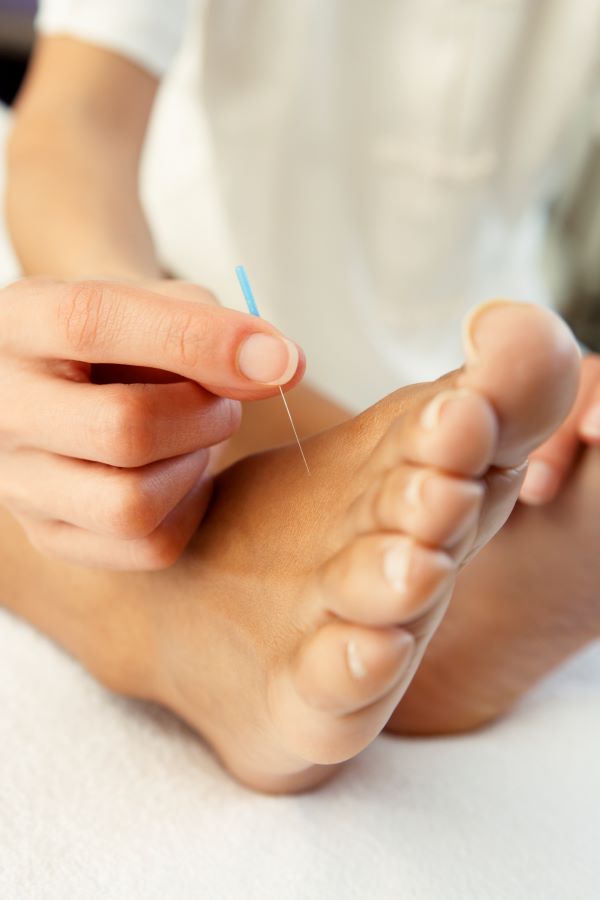
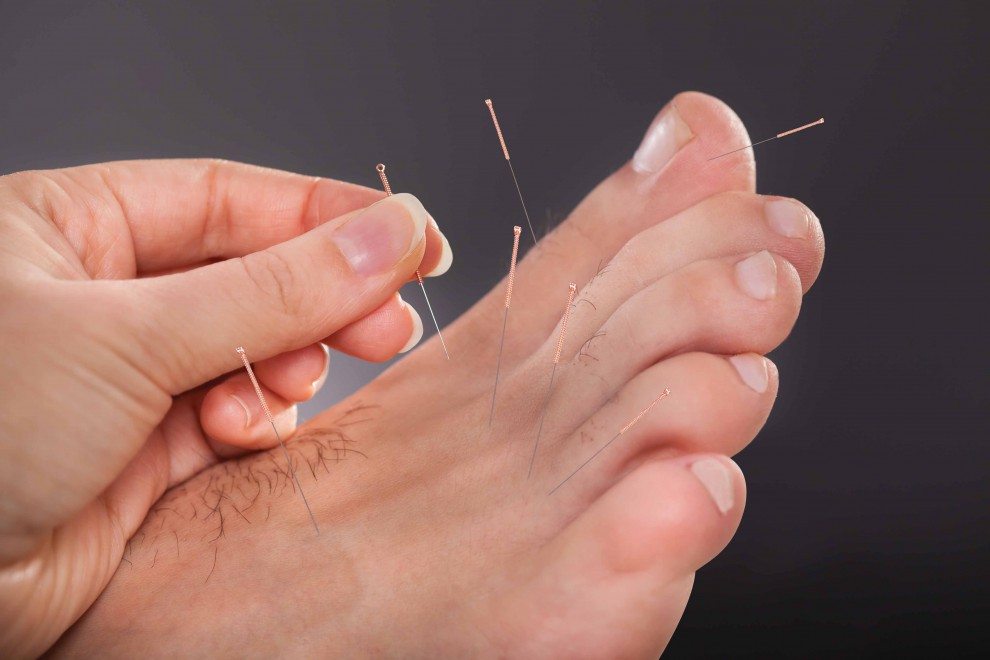
What is Dry Needling?
Dry needling is a technique used by physical therapists and other healthcare professionals to treat muscle pain and improve range of motion. During dry needling, a thin, sterile needle is inserted into the skin and muscle directly at a myofascial trigger point—a point within a tight band of skeletal muscle that can produce pain when touched.
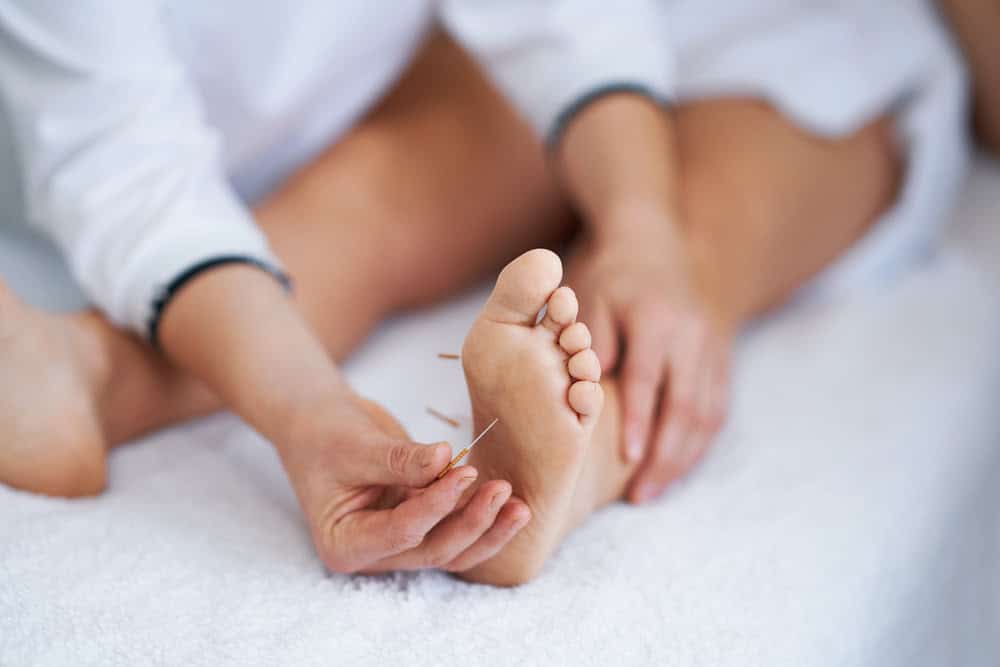
What is the purpose of dry needling help?
The purpose of dry needling is to stimulate the tissue, release the tight muscle bands, and decrease local and referred pain. Unlike acupuncture, which is based on traditional Chinese medicine and focuses on balancing the body’s energy flow or chi along meridians, dry needling is rooted in Western medicine principles and is primarily aimed at treating musculoskeletal and neuromuscular conditions. The mechanism behind dry needling involves the needle causing a small lesion within the tissue, which can lead to a healing response and a reduction in muscle tension and pain. This technique can be used for a variety of conditions, including back pain, neck pain, sports injuries, muscle spasms, and fibromyalgia, among others.
It’s important to note that while dry needling can be effective for many patients, it may not be suitable for everyone. Patients should consult with a healthcare professional to determine if dry needling is an appropriate treatment for their specific condition.
Common conditions that we have treated successfully with dry needling include the following:
- Plantar fasciitis
- Muscle sprain
- ITB syndrome
- Shin Splints
- Achilles tendonitis
- Joint dysfunction
- Forefoot pain i.e. Morton’s Neuroma
- Neuropathy
- Arthritis
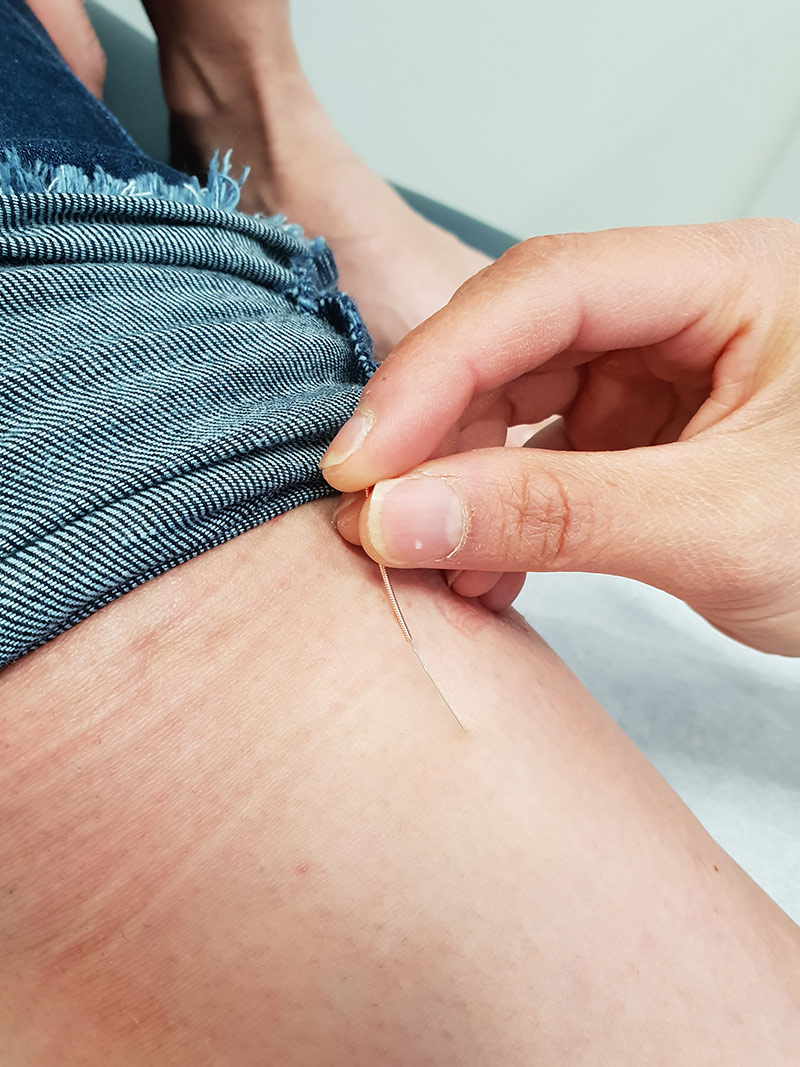
How can patients with foot or ankle pain benefit from dry needling?
Patients with foot or ankle pain can benefit from dry needling in several ways, as this technique can help address various conditions affecting these areas by targeting muscular tension, trigger points, and connective tissues that contribute to pain and dysfunction. Here’s how dry needling can be beneficial:
- Reducing Muscle Tension: Foot and ankle pain is often associated with tight muscles and trigger points in the lower leg, foot, and other related areas. Dry needling can help release these tight muscles, thereby reducing pain and improving mobility.
- Improving Blood Flow: By stimulating blood circulation to the targeted areas, dry needling can enhance the healing process, bringing more oxygen and nutrients to the injured tissues and promoting recovery.
- Decreasing Inflammation: The process of inserting needles into trigger points can lead to a local inflammatory response, which is part of the body’s natural healing process. This can help reduce chronic inflammation that contributes to pain.
- Enhancing Range of Motion: Foot and ankle pain can limit movement due to stiffness and discomfort. By relieving muscle tension and pain, dry needling can help improve the range of motion, making it easier for patients to walk, run, and perform daily activities.
- Pain Management: Dry needling can directly impact the way the body perceives pain by interacting with the nervous system. It can help modulate pain and provide relief from chronic conditions like plantar fasciitis, Achilles tendinopathy, and ankle sprains.
- Supporting Rehabilitation: When combined with other physical therapy interventions such as exercises, manual therapy, and stretching dry needling can enhance the rehabilitation process, helping patients recover more quickly and effectively from foot and ankle injuries.
- Preventing Recurrences: By addressing the underlying muscle imbalances and trigger points that contribute to foot and ankle pain, dry needling can help prevent future recurrences of pain or injury.
It’s important for patients to receive dry needling from a qualified and trained healthcare professional who can accurately assess their condition and determine the most appropriate treatment sites. Additionally, dry needling is often most effective when used as part of a comprehensive treatment plan that may include physical therapy, exercise, and other modalities tailored to the patient’s specific needs.
Where to from here?
If you are suffering plantar fasciitis, heel spurs, nerve impingement, ankle pain, shin splints, Achilles tendonitis, or any other lower limb soft tissue injury then contact Galleria Podiatry to find out more about Dry Needling and if it’s suitable for your particular situation.
Your Dry Needling Questions Answered
What can I expect during the Dry Needling procedure?
We often have patients tell us that they’re scared of needles and, therefore, have not considered dry needling; however, you’ll be pleased to know that the needle used for dry needling is 10 times thinner than a regular needle. When the needle is inserted, it feels like a small twitch in the muscle. It’s been described as feeling like a slight ‘prick’ but is painless. See Rachel Lange performing dry needling in our Perth clinic.
How is dry needling any different from acupuncture?
Dry needling focuses on stimulating specific trigger points within the body, which ultimately results in pain and disability. Additionally, with dry needling, the needles are slowly inserted into the body and removed after a short period, whereas with acupuncture, the needles are left in the body for some time. Dry needling is specifically designed to treat neuromuscular issues, with acupuncture designed to address energy flow around the body and vital organs.
Is dry needling painful?
When the needle is inserted into the skin and muscle, some patients may feel a slight prick similar to a pinprick. The most significant sensation, known as the “twitch response,” occurs when the needle reaches a trigger point. This response can feel like a quick muscle cramp or twitch and is often described as a surprising or strange sensation rather than painful. Following the treatment, it’s common for the area that was needed to feel sore, similar to the soreness felt after an intense workout. This soreness typically lasts for a day or two. Healthcare professionals trained in dry needling use techniques to minimise discomfort, and many patients find that the benefits of reduced pain and improved function outweigh any temporary discomfort experienced during the procedure. Patients are encouraged to communicate with their practitioner about any concerns or discomfort they may experience during the treatment to adjust the technique as needed.
How many visits will I need?
We generally recommend 4 – 6 sessions in order to see positive and lasting results, however results can be seen in the first 24 hours after your dry needling session.
I've tried everything – is dry needling worth it?
Well, in many people’s opinions, it is. Personally, at Galleria Podiatry, we have had very positive reactions from people who have had dry needling done. The results we have seen include a decrease in muscle pain, an increase in muscle function, and quicker recovery times from injury.