
What is Sesamoiditis?
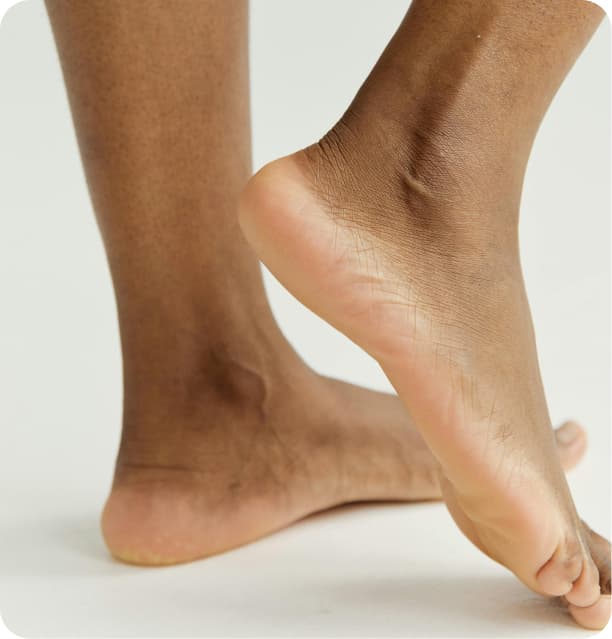
Sesamoiditis is a form of tendinitis that specifically affects the sesamoid bones, which are two small, pea-shaped bones located in the ball of the foot, underneath the big toe joint. These bones are embedded within tendons and are subjected to immense pressure during walking, running, and jumping. Sesamoiditis is characterised by pain, inflammation, and sometimes swelling in the area around these bones.
Sesamoiditis Symptoms
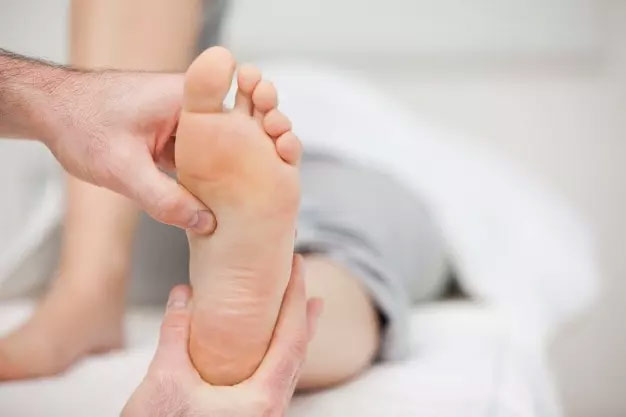
Tenderness or sharp intense pain under the 1st toe joint on walking, particularly during the ‘toe off’ part of the gait cycle, when the pressure on the ball of the foot is greatest. Localised swelling may also be apparent.
WHAT CAUSES SESAMOIDITIS
Sesamoiditis is often associated with foot posture, excessive pronation (feet ‘rolling’ inwards), overuse or worn footwear. Other factors may include engaging in high-impact activities like running or dancing, wearing shoes that are either high-heeled or ill-fitted, having anatomical foot issues such as high arches, a sudden surge in activity level or change in training surface, and direct injury or trauma to the sesamoid bones.
How to get Relief from Sesamoiditis
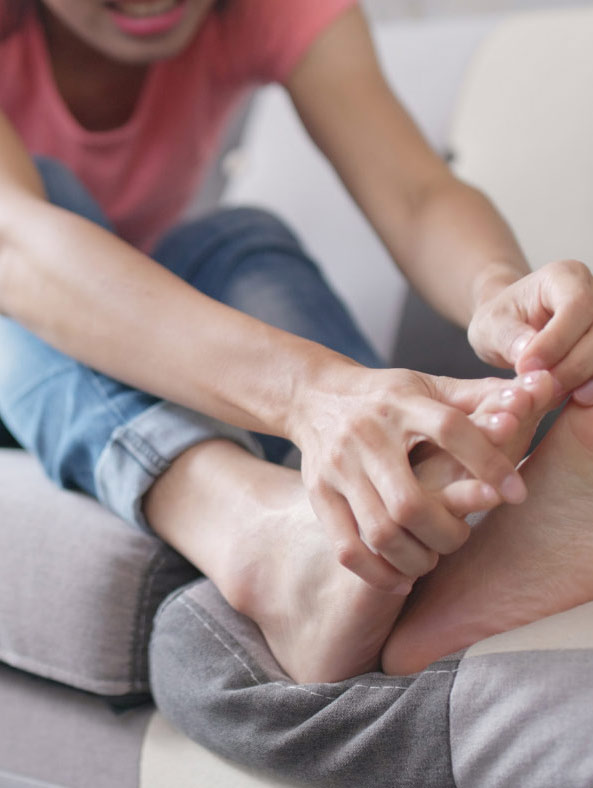
The main goals in treating sesamoiditis are to relieve pain and reduce inflammation. Common treatments include.

Rest, ice, compression, and elevation (the RICE protocol)
Anti-inflammatory medications, such as NSAIDs, for pain relief

Padding, taping, or strapping the big toe to offload pressure from the sesamoid bones
Orthotics
Common Podiatry Treatments & Services for Sesamoiditis
In persistent or severe cases, corticosteroid injections or surgical removal of the sesamoid bones may be considered, although these options are generally considered last resort.
If you suspect you have sesamoiditis, it’s important to consult your podiatrist for an accurate diagnosis and appropriate treatment plan tailored to your specific condition. At Galleria Podiatry, we can provide you with information regarding appropriate footwear.
Pain of this type may also benefit from the use of pain-relieving gels or LIFESOLES, which can be found in our shop.
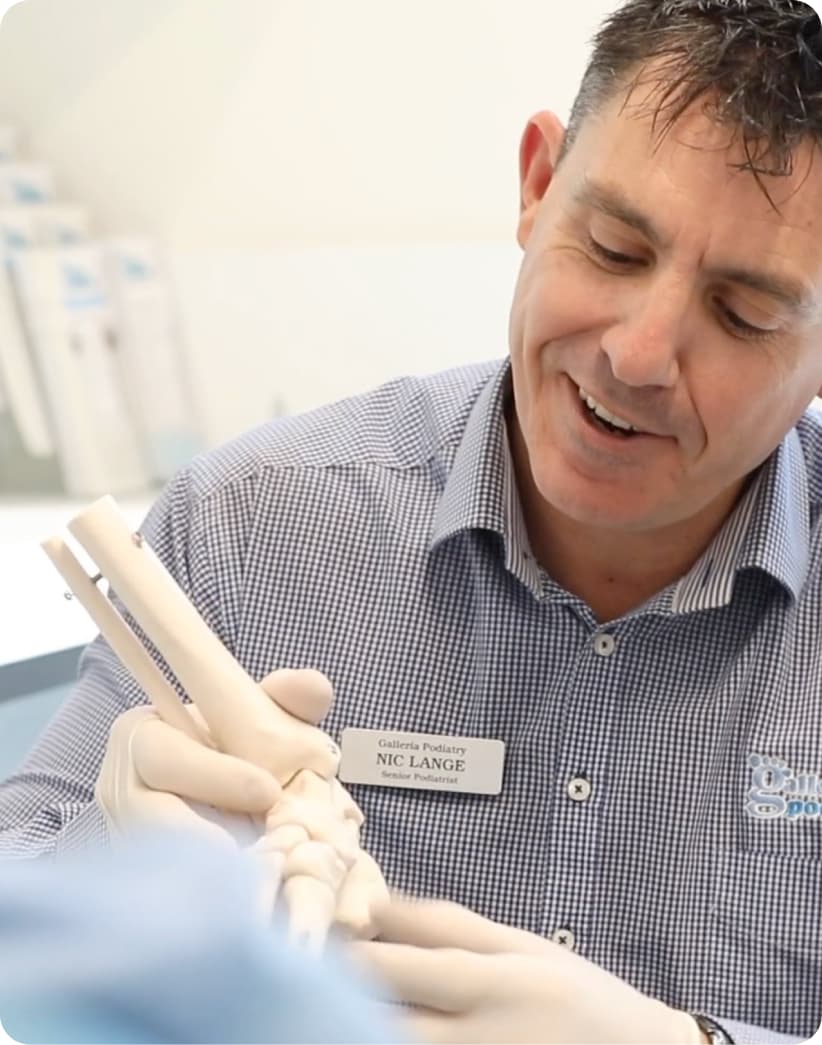
Ready to fix your Sesamoiditis Pain?
For expert diagnosis and treatment for sesamoiditis pain, consult Galleria Podiatry. If you’re located in Morley and near Bayswater, Galleria Podiatry provides specialised care for foot and ankle issues for all patients in the City of Bayswater.
Your Sesamoiditis Questions Answered
What is sesamoiditis and where are the sesamoid bones located?
Sesamoiditis is a form of tendinitis that specifically affects the sesamoid bones, which are two small, pea-shaped bones located in the ball of the foot, underneath the big toe joint. These bones are embedded within tendons and are subjected to immense pressure during walking, running, and jumping. The condition is characterised by pain, inflammation, and sometimes swelling in the area around these bones.
What are the main symptoms of sesamoiditis?
The primary symptom is tenderness or sharp intense pain under the first toe joint on walking, particularly during the ‘toe off’ part of the gait cycle, when the pressure on the ball of the foot is greatest. Localised swelling may also be apparent in the affected area. The pain is typically most noticeable during activities that put pressure on the ball of the foot.
What causes sesamoiditis to develop?
Sesamoiditis is often associated with foot posture, excessive pronation (feet rolling inwards), overuse or worn footwear. Other contributing factors include engaging in high-impact activities like running or dancing, wearing shoes that are either high-heeled or ill-fitted, having anatomical foot issues such as high arches, a sudden surge in activity level or change in training surface, and direct injury or trauma to the sesamoid bones.
What are the common conservative treatments for sesamoiditis?
The main goals in treating sesamoiditis are to relieve pain and reduce inflammation. Common treatments include rest, ice, compression, and elevation (the RICE protocol), anti-inflammatory medications such as NSAIDs for pain relief, and padding, taping, or strapping the big toe to offload pressure from the sesamoid bones. Pain-relieving gels or LIFESOLES orthotics are also available and can provide relief for this type of pain.
When is surgery considered for sesamoiditis?
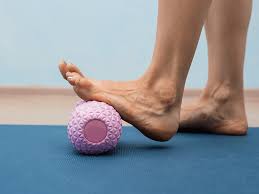
Effective exercises include calf stretches against a wall, rolling your foot over a frozen water bottle, plantar fascia stretches where you pull your toes back towards your shin, and towel curls to strengthen foot muscles. Stretching should be done gently and consistently, particularly first thing in the morning and before activities. Your podiatrist at Galleria Podiatry can demonstrate proper technique and create a personalised exercise programme tailored to your specific needs.