

What is a Plantar Wart
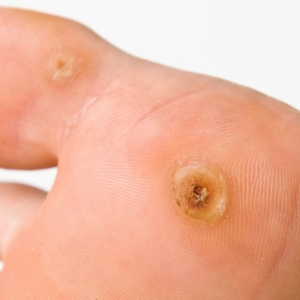
Plantar Wart is one of several soft tissue conditions of the foot that can be quite painful. A wart may be raised or if on the sole of the foot, the pressure of walking causes the wart to be pushed into the skin. Those that appear on the sole of the foot are called plantar warts. Verruca can appear as singular legions or in groups. They are caused by a virus and can appear anywhere on the skin. Children, especially teenagers, tend to be more susceptible to warts than adults.
What Causes a Plantar Wart?
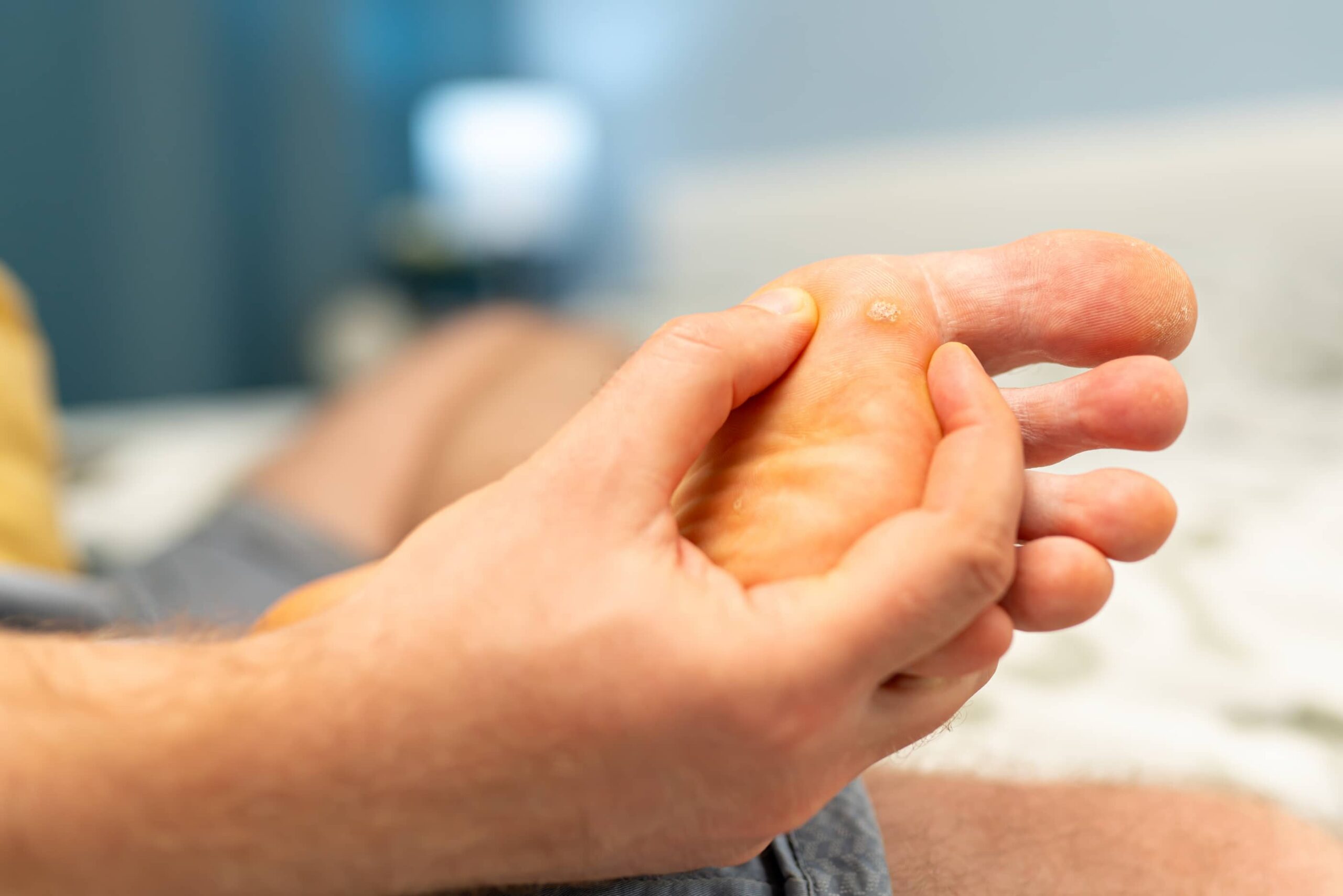
Verrucae are caused by the Human Pappilloma Virus (HPV) which induces the benign epithelial legions in the skin. The HPV virus is contagious and generally invades the skin through small or invisible cuts and abrasions. The plantar wart is often contracted by walking barefoot on dirty surfaces or littered ground where the virus is lurking. The causative virus thrives in warm, moist environments, making infection a common occurrence in communal bathing facilities. If left untreated, warts can grow to an inch or more in circumference and can spread into clusters of several warts; these are often called mosaic warts. Like any other infectious lesion, plantar warts are spread by touching, scratching, or even by contact with skin shed from another wart. The wart may also bleed, creating another route for spreading. Occasionally, warts can spontaneously disappear after a short time, and, just as frequently, they can recur in the same location.
Plantar Wart Symptoms
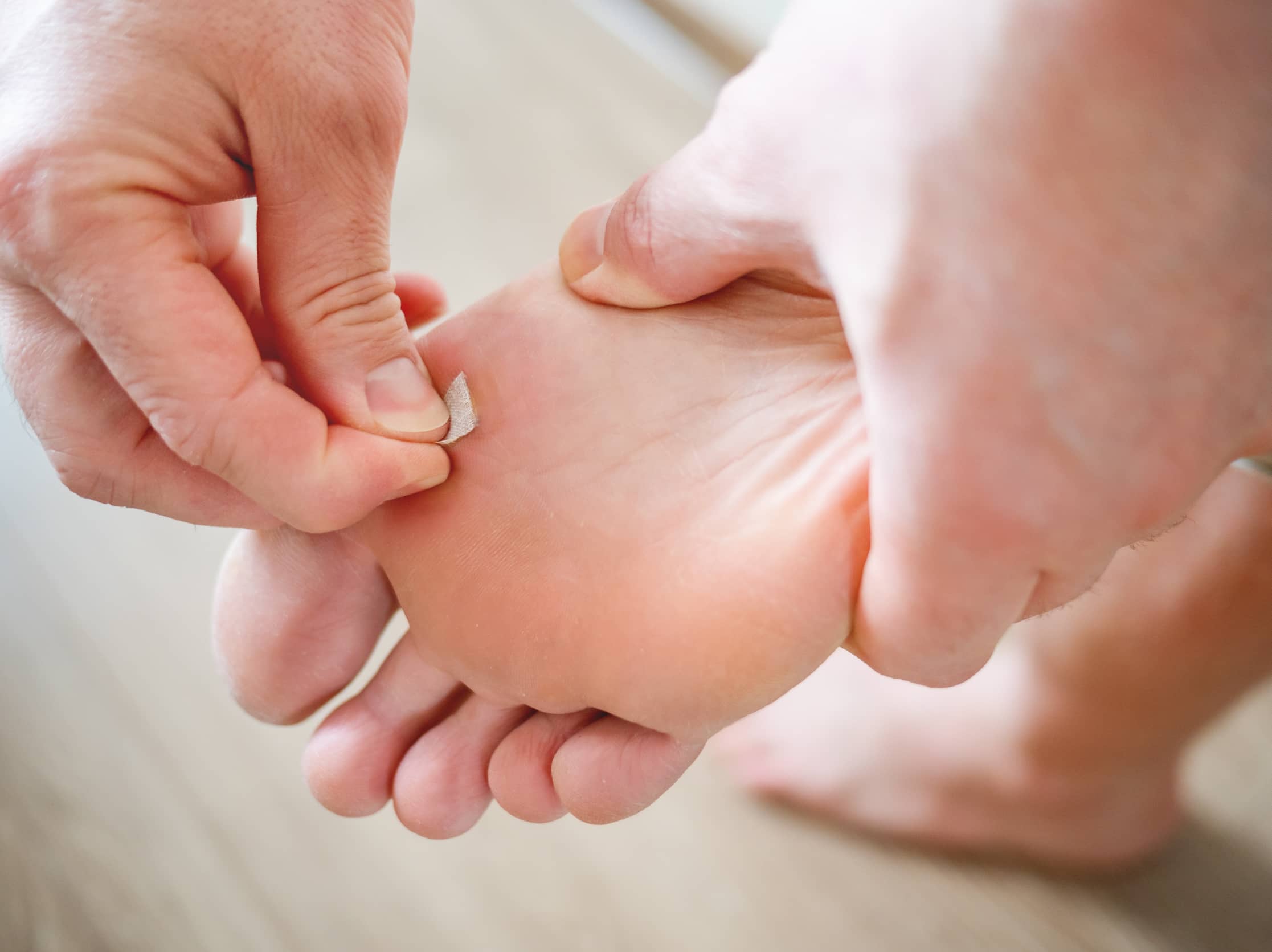
Most warts are harmless, even though they may be painful. They are often mistaken for corns or calluses, which are layers of dead skin that build up to protect an area which is being continuously irritated. The wart, however, is a viral infection. Plantar warts tend to be hard and flat, with a rough surface and well-defined boundaries; warts are generally raised and fleshier when they appear on the top of the foot or on the toes. Plantar warts are often gray or brown (but the color may vary), with a center that appears as one or more pinpoints of black. It is important to note that warts can be very resistant to treatment and have a tendency to reoccur. When plantar warts develop on the weight-bearing areas of the foot (the ball of the foot, or the heel, for example), they can be the source of sharp, burning pain. Pain occurs when weight is brought to bear directly on the wart, although pressure on the side of a wart can create equally intense pain.
How to Prevent Plantar Wart Symptoms
- Avoid walking barefoot
- Change shoes and socks daily
- Keep feet clean and dry
- Check children’s feet periodically
- Avoid direct contact with warts from other persons or from other parts of the body
- Do not ignore growths on, or changes in, your skin
- Visit your podiatrist as part of your annual health checkup
Galleria Podiatry Treatments & Services for Plantar Warts
The lifespan of the HPV can be anywhere from 5 months to 5 years, and the legion frequently spontaneously disappears. Often, however, treatment is commenced immediately. Self-treatment is generally not advisable. Over-the-counter preparations contain acids or chemicals that destroy skin cells, and it takes an expert to destroy abnormal skin cells (warts) without also destroying surrounding healthy tissue. Self-treatment with such medications especially should be avoided by people with diabetes and those with cardiovascular or circulatory disorders. Never use these medications in the presence of an active infection. Treatments may include the application of creams or liquid nitrogen to destroy and remove the area of the affected tissue. In severe cases, surgical removal of the verruca may be required. Galleria Podiatry can advise you on each modality and its benefits or side effects.
Ready to remove a Plantar wart?
For expert advice regarding plantar warts, consult Galleria Podiatry for a tailored removal plan.
Your Plantar Wart Questions Answered
What are plantar warts and what causes them?
Plantar warts are one of several soft tissue conditions of the foot that can be quite painful. They are caused by the Human Papilloma Virus (HPV) which induces benign epithelial legions in the skin. Warts that appear on the sole of the foot are called plantar warts, and the pressure of walking causes the wart to be pushed into the skin. The HPV virus is contagious and generally invades the skin through small or invisible cuts and abrasions. Children, especially teenagers, tend to be more susceptible to warts than adults.
How do you contract plantar warts and where is the virus commonly found?
The plantar wart is often contracted by walking barefoot on dirty surfaces or littered ground where the virus is lurking. The causative virus thrives in warm, moist environments, making infection a common occurrence in communal bathing facilities. Plantar warts are spread by touching, scratching, or even by contact with skin shed from another wart. The wart may also bleed, creating another route for spreading. Occasionally, warts can spontaneously disappear after a short time, and just as frequently, they can recur in the same location.
What do plantar warts look like and how can you identify them?
Plantar warts tend to be hard and flat, with a rough surface and well-defined boundaries. They are generally raised and fleshier when they appear on the top of the foot or on the toes. Plantar warts are often grey or brown (but the colour may vary), with a centre that appears as one or more pinpoints of black. They are often mistaken for corns or calluses, but warts are a viral infection. When plantar warts develop on weight-bearing areas of the foot, they can be the source of sharp, burning pain.
How can I prevent plantar warts from developing?
Prevention methods include avoiding walking barefoot, changing shoes and socks daily, keeping feet clean and dry, checking children’s feet periodically, avoiding direct contact with warts from other persons or from other parts of the body, not ignoring growths on or changes in your skin, and visiting your podiatrist as part of your annual health check-up. These preventive measures can significantly reduce your risk of contracting the HPV virus.
What treatment options are available for plantar warts at Galleria Podiatry?
The lifespan of the HPV can be anywhere from 5 months to 5 years, and the legion frequently spontaneously disappears. However, treatment is often commenced immediately. Self-treatment is generally not advisable, especially for people with diabetes or cardiovascular disorders. Treatments may include the application of creams or liquid nitrogen to destroy and remove the area of affected tissue. In severe cases, surgical removal of the verruca may be required. Galleria Podiatry can advise you on each treatment modality and its benefits or side effects. Over-the-counter preparations should be avoided as they contain acids or chemicals that can destroy healthy tissue.