
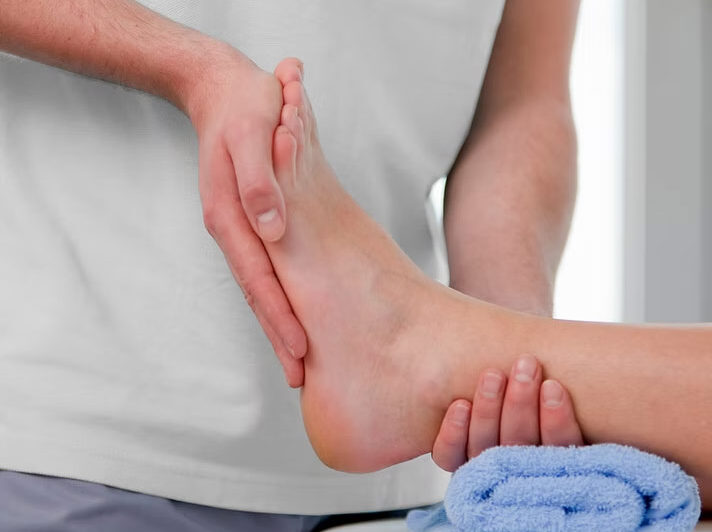

What is Morton’s Neuroma?
A neuroma is a thickening of the nerve that supplies the toes. It usually occurs between the 2nd, 3rd or 4th toes.
The swelling and thickness of this nerve allows it to become easily compressed (pinched) or irritated.

Morton’s Neuroma Symptoms
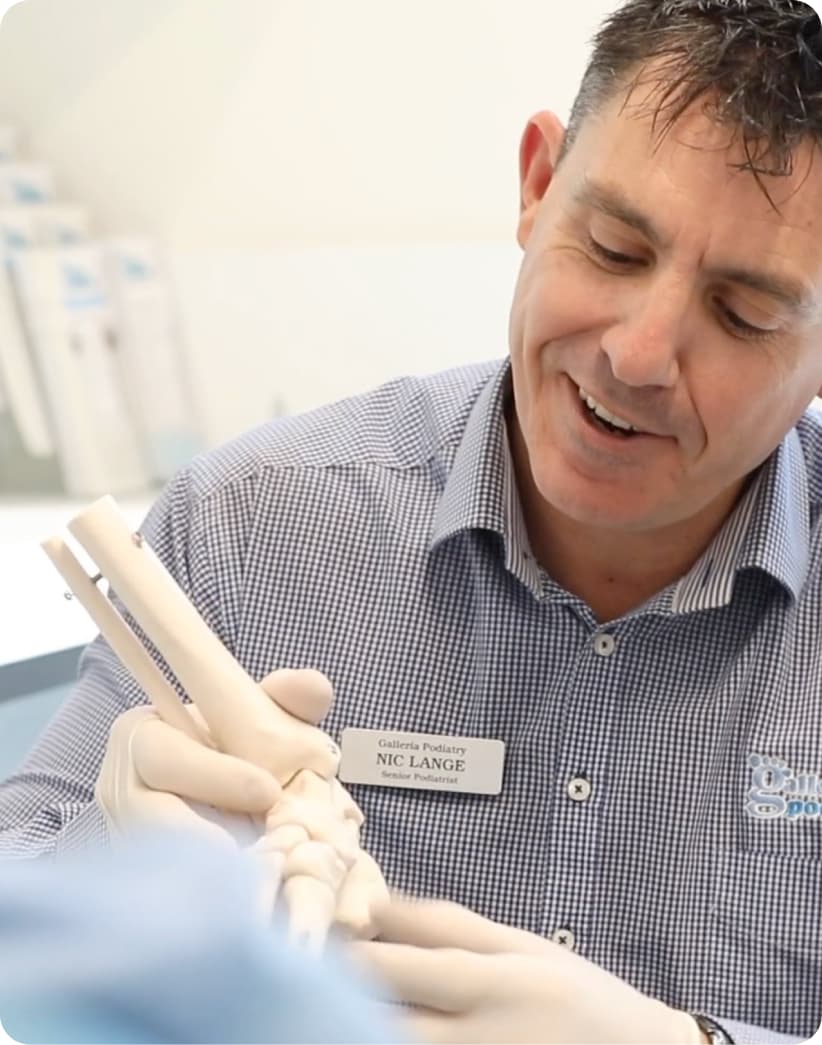
Morton’s neuroma typically presents with several distinctive symptoms. Pins and needles and shooting pains in the toes are commonly experienced, along with numbness in the toes. Pain is generally worse when standing and whilst wearing tight shoes. Walking on hard or uneven terrain can aggravate the condition. Relief is often obtained by squeezing the foot or massaging the affected area.
CAUSES OF MORTON’S NEUROMA
Excessive pronation (feet “rolling” inwards) results in the joints at the ball of the foot moving closer together. This results in the nerves, which are situated between the joints, being compressed or irritated. The condition is more common in middle-aged women who wear tight, narrow, unsupportive footwear. Men, however, can also suffer from the condition.
Common Podiatry Treatments & Services for Morton's Neuroma
Control of excessive pronation with orthotics (custom-made shoe inserts) improves foot function, prevents the joints at the ball of the feet from moving together and therefore prevents the nerves from being compressed or irritated. Orthotics can also reduce pressure on the nerves.
Our podiatrists will assess your foot for structural problems that may lead to this condition.
Padding and strapping may also be applied by your Galleria Podiatrist to reduce nerve compression.
As a last resort, surgery may be required in severe cases. This involves removing the thickened part of the nerve.
Pain of this type may also benefit from the use of a pain relieving gel or LIFESOLES, which can be found in our online shop.
PRODUCTS FOR YOUR MORTON'S NEUROMA PAIN
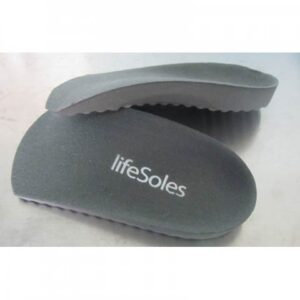
Lifesoles Orthotics - Medium Arch Support
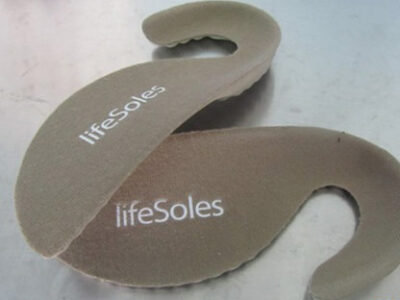
Lifesoles Orthotics - Easy Fit
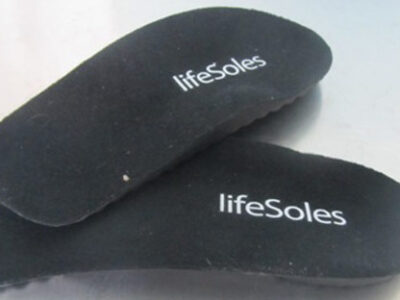
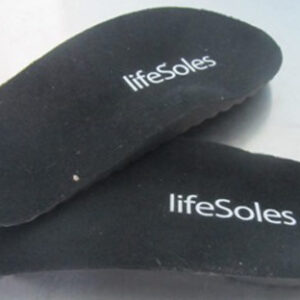
Lifesoles Orthotics - Strong Arch Support
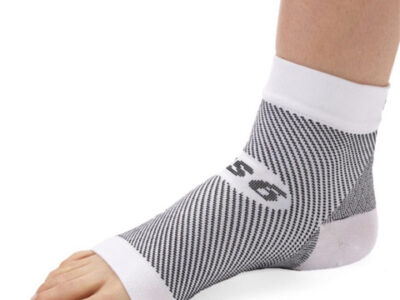
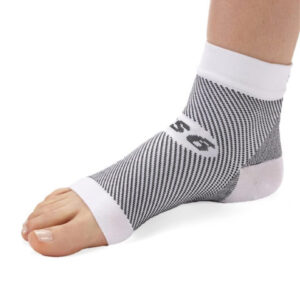
OrthoSleeve FS6 Compression Sleeve - Foot
Ready to fix your Morton's Neuroma Pain?
For Morton’s Neuroma pain, consult Galleria Podiatry for an accurate diagnosis and a tailored treatment plan. If you’re located in Morley and near Bayswater, Galleria Podiatry provides specialised care for foot and ankle issues for all patients in the City of Bayswater.
Your Morton's Neuroma Questions Answered
What is Morton's Neuroma and where does it occur?
Morton’s Neuroma is a thickening of the nerve that supplies the toes. It typically occurs between the 2nd, 3rd or 4th toes. The swelling and thickness of this nerve allows it to become easily compressed or irritated, causing pain and discomfort in the ball of the foot.
What are the main symptoms of Morton's Neuroma?
Morton’s Neuroma presents with pins and needles and shooting pains in the toes, along with numbness. Pain is generally worse when standing and whilst wearing tight shoes. Walking on hard or uneven terrain can aggravate the condition. Relief is often obtained by squeezing the foot or massaging the affected area.
Who is most at risk of developing Morton's Neuroma?
The condition is more common in middle-aged women who wear tight, narrow, unsupportive footwear. However, men can also suffer from Morton’s Neuroma. Excessive pronation (feet “rolling” inwards) is a key cause, as it results in the joints at the ball of the foot moving closer together and compressing the nerves between them.
How is Morton's Neuroma treated without surgery?
Custom-made orthotics are the primary treatment to control excessive pronation, improve foot function and prevent nerve compression. Padding and strapping may also be applied by your podiatrist to reduce nerve compression. Pain relieving gels and off-the-shelf insoles like LIFESOLES can also provide relief. Your podiatrist will assess your foot for structural problems contributing to the condition.
When is surgery necessary for Morton's Neuroma?
Surgery is considered as a last resort in severe cases when conservative treatments have not provided adequate relief. The surgical procedure involves removing the thickened part of the nerve. Before recommending surgery, your podiatrist will exhaust all non-invasive treatment options including orthotics, padding, strapping and appropriate footwear modifications.