
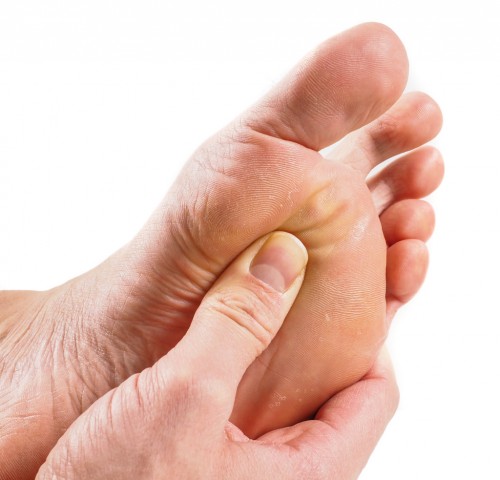

Understanding Metatarsalgia
Metatarsalgia is a condition characterised by pain and inflammation in the ball of the foot, usually occurring in the metatarsal region, which is the area just before the toes. It’s commonly experienced by athletes who engage in high-impact sports but can also affect non-athletes.
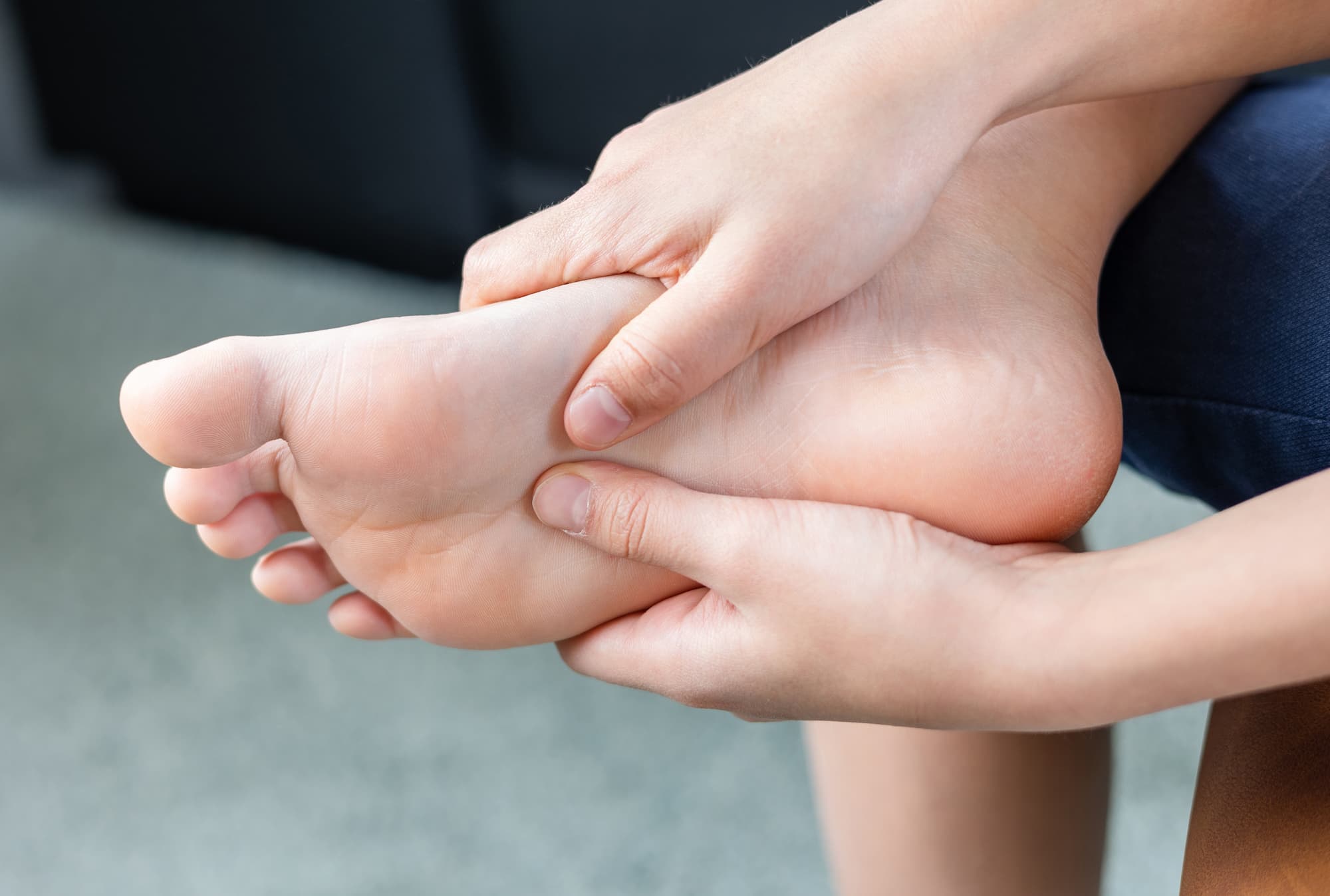
Metatarsalgia Symptoms
The condition usually causes a burning sensation or general aching in the forefoot, under the ball of the foot, and can become very painful. Some patients describe the pain as a lump under the ball of the foot. Applying pressure to the ball of the foot can elicit pai
WHAT CAUSES METATARSALGIA
When the foot pronates (‘rolls’ inwards) excessively, there is a progressive weakening of soft tissue structures, ligament laxity and muscular wastage, which causes the bones and joints in the forefoot to rotate and move downwards. This results in shearing forces on foot structures, which can cause pressure and pain. After a period of time, nerve damage and callosities can develop in the foot.

Metatarsalgia Treatment at Galleria Podiatry
Custom orthotics can control excessive pronation and return the foot to a neutral position, preventing shearing forces on the joints in the ball of the foot.
Also, by balancing the weight distribution over the entire ball of the foot, orthotic devices help to remove excess weight and friction on specific parts of the foot, which is a common cause of burning pain as well as corns and callosities.
Patients suffering from pain such as this may also benefit from the use of a pain-relieving cream, which can be found in our shop.
Products to help with Metatarsalgia pain
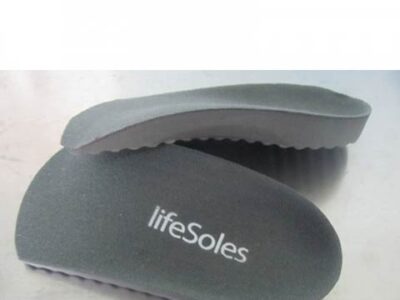
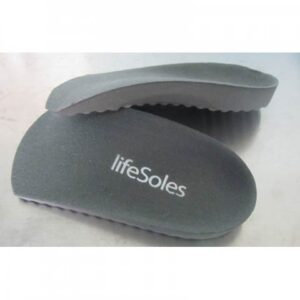
Lifesoles Orthotics - Medium Arch Support
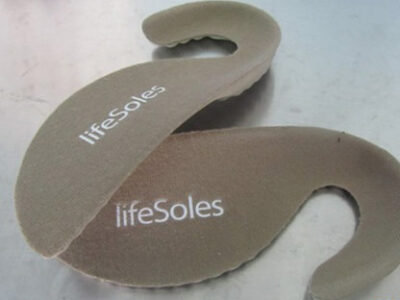
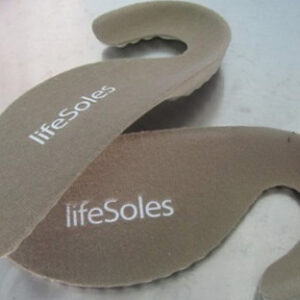
Lifesoles Orthotics - Easy Fit
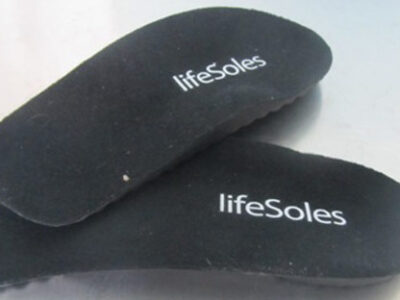
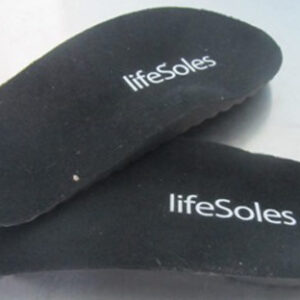
Lifesoles Orthotics - Strong Arch Support

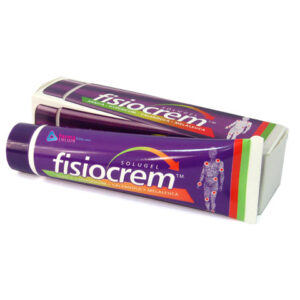
Fisiocrem Solugel (60g - 250g)
Ready to fix your Metatarsalgia Pain?
For pain from Metatarsalgia, consult Galleria Podiatry for an accurate diagnosis and a tailored treatment plan. If you’re located in Morley and near Bayswater, Galleria Podiatry provides specialised care for foot and ankle issues for all patients in the City of Bayswater.
Your Metatarsalgia Questions Answered
What is metatarsalgia and where does it occur?
Metatarsalgia is a condition characterised by pain and inflammation in the ball of the foot, usually occurring in the metatarsal region, which is the area just before the toes. It’s commonly experienced by athletes who engage in high-impact sports but can also affect non-athletes who may have foot deformities or wear ill-fitting shoes.
What are the main symptoms of metatarsalgia?
The condition usually causes a burning sensation or general aching in the forefoot, under the ball of the foot, and can become very painful. Some patients describe the pain as feeling like a lump under the ball of the foot. Applying pressure to the ball of the foot can elicit pain. The burning sensation is often accompanied by discomfort during walking or standing.
What causes metatarsalgia to develop?
When the foot pronates (rolls inwards) excessively, there is a progressive weakening of soft tissue structures, ligament laxity and muscular wastage, which causes the bones and joints in the forefoot to rotate and move downwards. This results in shearing forces on foot structures, which can cause pressure and pain. After a period of time, nerve damage and callosities can develop in the foot. The condition can also be caused by engaging in activities that involve running and jumping, or by wearing shoes that are either too tight or too loose.
How are custom orthotics used to treat metatarsalgia?
Custom orthotics can control excessive pronation and return the foot to a neutral position, preventing shearing forces on the joints in the ball of the foot. By balancing the weight distribution over the entire ball of the foot, orthotic devices help to remove excess weight and friction on specific parts of the foot, which is a common cause of burning pain as well as corns and callosities.
What other treatment options are available besides orthotics?
Patients suffering from metatarsalgia may benefit from the use of pain-relieving creams, such as Fisiocrem Solugel, which can be found in Galleria Podiatry’s shop. Off-the-shelf orthotic options like LIFESOLES are also available for those seeking relief. Your podiatrist will assess your individual condition and recommend the most appropriate treatment plan, which may include a combination of custom orthotics, pain-relieving products, and footwear advice.