
What do we mean by Flat Feet
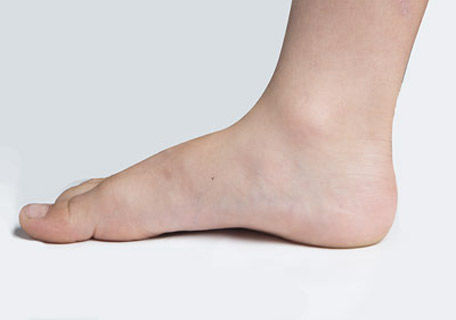
Flat feet refers to a lowering or collapsing of the longitudinal arch in the foot. This condition can lead to poor foot alignment, discomfort, and even pain in the ankles, knees, hips, and lower back. Flat feet can be present from childhood or develop later in life due to various factors.
A functional flat foot is quite common and there is often a positive correlation between flat feet and symptoms involving foot pain, leg pain, knee pain, hip pain and lower back pain.
Causes
Excessive pronation (feet ‘rolling’ inwards) causes the arch to collapse and elongate, making the foot appear ‘flat’.
Flat Feet Treatment at Galleria Podiatry
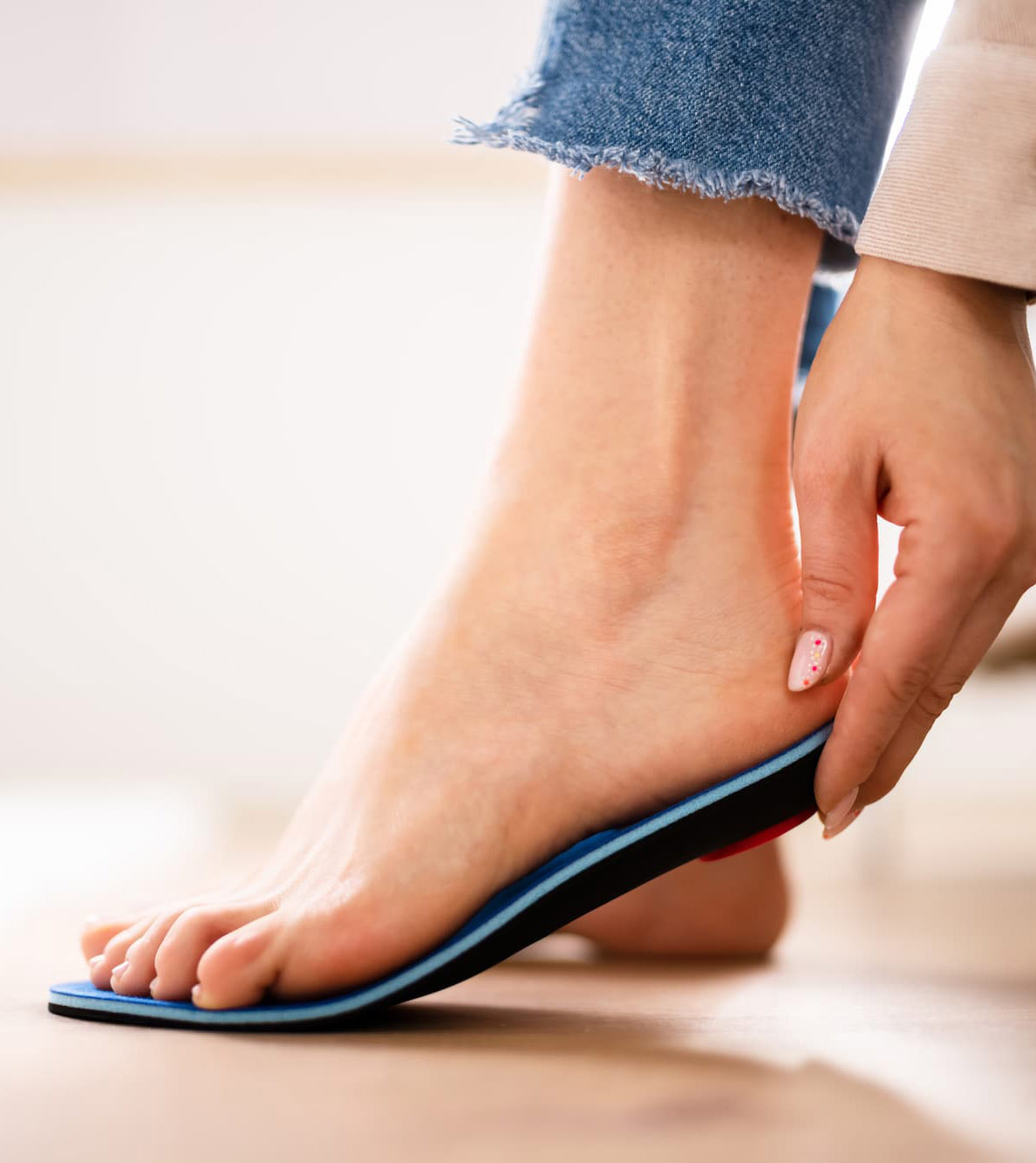
Controlling excessive pronation with orthotics (custom-made shoe inserts) prevents the feet from ‘rolling’ inwards during walking. This prevents ‘unlocking’ of the 33 joints in the feet, which is often the cause of painful symptoms in the pes planus foot type.
A podiatrist can advise you on stretches that can be of benefit.
Pain of this type may also benefit from the use of a pain-relieving gel or LIFESOLES, which can be found in our online shop

Flat Feet in Children
While flat feet can occur in adults, it’s particularly common in children, many of whom outgrow it as they age.
What causes flat feet in children?
- Developmental Factors. Children are often born with flat feet and develop arches as they grow. In some cases, the arches never develop.
- Genetic Factors. Family history can play a role; flat feet can be inherited.
- Medical Conditions. Some conditions like cerebral palsy, muscular dystrophy, or connective tissue disorders can cause flat feet.
- Improper Footwear. Shoes that do not support the arch may contribute to the development of flat feet.
Diagnosis is usually straightforward and involves a physical examination of the foot and watching the child walk. Imaging tests like X-rays are generally not required but may be used in certain cases to rule out other conditions.
Common Podiatry Treatments & Services for Flat Feet
No treatment is generally needed if flat feet are not causing any discomfort or problems with function. However, if a child experiences symptoms, treatment options may include:
- Orthotic Inserts. Custom-made arch supports can be used in shoes.
- Physical Therapy. Exercises to stretch and strengthen the foot may be helpful.
- Supportive Footwear. Shoes with good arch support and a well-cushioned sole can be beneficial.
It is important to consult a healthcare provider for accurate diagnosis and appropriate management of flat feet. Consider consulting a podiatrist experienced in treating children for specialised pediatric foot care. If you’re in Morley, Galleria Podiatry offers expertise in handling pediatric foot conditions.
Ready to fix your Flat Feet?
Are you experiencing heel pain and looking for treatment options near Morley and Bayswater? Galleria Podiatry in Morley can provide personalised management based on the type of heel pain, its cause, and its duration. Pain relief can be achieved quickly with the right exercises and heel pain treatment plan.
Your Flat feet Questions Answered
What are flat feet and when do they develop?
Flat feet refers to a lowering or collapsing of the longitudinal arch in the foot. Flatfoot is a condition where one or both feet lack an arch. The arch usually develops during early childhood. If the arches don’t form or collapse later in life, it can cause pain and affect walking. Flat feet can be present from childhood or develop later in life due to various factors.
What are the most common causes of heel or arch pain?
While plantar fasciitis is the leading cause of heel and arch pain, other conditions can produce similar symptoms including Achilles tendinitis, heel spurs, stress fractures, tarsal tunnel syndrome, bursitis, and arthritis. Factors such as sudden increase in physical activity, wearing worn-out or unsupportive shoes, tight calf muscles, and biomechanical issues like overpronation can all contribute to heel and arch pain. A thorough podiatric assessment can determine the exact cause.
What causes flat feet to develop?
Excessive pronation (feet rolling inwards) causes the arch to collapse and elongate, making the foot appear flat. This is the primary cause of functional flat feet, which is quite common. The collapsing of the arch can lead to poor foot alignment and various symptoms throughout the lower body.
What symptoms are associated with flat feet?
A functional flat foot is quite common and there is often a positive correlation between flat feet and symptoms involving foot pain, leg pain, knee pain, hip pain and lower back pain. A common symptom is a sharp pain near the heel, particularly when taking the first steps after waking up. Although the pain may subside when walking, it can come back after standing for prolonged periods or when rising from a seated position after a long time.
How are flat feet diagnosed at Galleria Podiatry?
Typically, diagnosis involves a physical examination and review of medical history. Imaging tests such as X-rays or MRIs are usually unnecessary but may be used to rule out other issues. Your podiatrist will assess your foot structure, alignment, and any symptoms you’re experiencing to determine the best course of treatment.
What treatment options are available for flat feet?
Treatment options include orthotic shoe inserts customised to your foot posture, specific exercise and stretching regimen for the foot, footwear assessment and advice, special strapping and padding techniques, physiotherapy including exercises to improve posture and strengthen muscles, shockwave therapy, dry needling, lifestyle changes, and weight loss if applicable. Conservative treatments like rest, ice, compression, and elevation (the RICE protocol) and over-the-counter painkillers such as ibuprofen may also provide relief. Surgery is generally considered a last resort. Consulting a healthcare provider at Galleria Podiatry is crucial for an accurate diagnosis and personalised treatment plan.