
Perth isn’t exactly known for cold weather but if you felt that sting in your toes this week, you’re not imagining it. We just had our coldest morning in over 15 years, and with temperatures dipping unusually low, more people are experiencing chilblains, a common but often overlooked cold-weather foot issue.
If your toes have been red, itchy, or burning after being out in the cold, you’re not alone.
What are Chilblains?
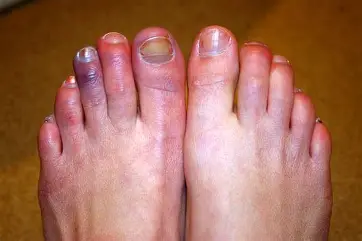
Chilblains are red or purple, itchy, sometimes painful spots that usually appear on the toes, fingers, ears, or nose after exposure to cold weather. They happen when the skin is cold and then warmed up too quickly, something that’s very easy to do on a chilly Perth morning when you’re blasting the heater or hopping into a hot shower.
What Causes Chilblains?
In simple terms: when your skin gets cold, the tiny blood vessels narrow. If you then warm up too fast, those vessels expand too quickly, leaking blood into the surrounding tissue. The result? Swelling, inflammation, and that annoying itch or burn.
While chilblains aren’t dangerous, they can be very uncomfortable, and in some cases, lead to skin cracking or infection if not treated properly.
You’re more likely to get them if:
- You have poor circulation or Raynaud’s
- You spend time in cold, damp conditions
- You warm up rapidly after being cold
- You have thin skin, low body fat, or diabetes
How to Spot Chilblains?
- Red, purple, or bluish patches (usually on extremities such as the toes)
- Itching, burning, or pain
- Swelling or tightness in the skin
- Blistering or cracks in more severe cases
- Often worsens in the evening or after warming up
They typically appear a few hours after exposure to cold and may last 1–3 weeks.
Preventing Chilblains in Perth’s Unusual Chill
Perth winters are usually mild, so many people are underprepared when the temperature really drops. That’s why chilblains can catch you off guard. Here’s how to reduce your risk:
- Layer up: Insulated/thermal socks, gloves, and warm footwear can make all the difference.
- Avoid sudden heat: No direct exposure to the heater, or scalding hot showers after being cold.
- Dry thoroughly: Keep your feet dry and change out of damp socks or shoes.
- Stay active: Gentle movement and walking help stimulate healthy blood flow.
- Moisturise daily: Prevent dry skin from cracking if chilblains do develop.
Treating Chilblains
The good news? Most chilblains go away on their own with a little care and patience. But to ease the discomfort:
- Gently warm your feet at room temperature, avoid direct heat
- Use soothing creams or an over-the-counter frost cream
- Keep skin hydrated and moisturised
- Avoid scratching, as this can lead to broken skin or infection
If your chilblains are painful, recurring, or show signs of infection, it’s best to see a podiatrist, especially if you have a condition like diabetes or poor circulation.
Not Sure if It’s Chilblains? We Can Help
With Perth’s weather colder than usual, we’re seeing more patients walking in with cold-related foot issues like chilblains. If you’re unsure what you’re dealing with, or just want relief, don’t wait it out – book an appointment with our friendly team!
📞 Call us on (08) 9275 9006 or
🔗 Book online here
Book an appointment with one of our podiatrists in Perth.