
Summer’s here, and that means sandals, beach walks, and barefoot days. But if you’re hiding your feet because of dry, cracked heels, you’re not alone! Heel fissures are one of the most common issues we see this time of year. The good news? With the right care (and a little podiatry help), you can get your heels summer-ready in no time.
Why Do Cracked Heels Happen?
Cracked heels occur when the skin on your heels becomes dry, thick, and less elastic. When pressure builds as you walk or stand, that hard skin splits, leading to those painful, unsightly cracks.
Some of the main culprits include:
- Open-backed shoes or thongs: they let your heel pad expand sideways, stretching the skin.
- Dry summer weather: hot conditions and air-conditioning can dehydrate your skin.
- Long days on your feet: more time walking or standing increases heel pressure.
- Barefoot living: hard or uneven surfaces can make cracks worse.
- Skin and health conditions like eczema, psoriasis or diabetes that affect skin integrity.
How to Treat and Manage Cracked Heels
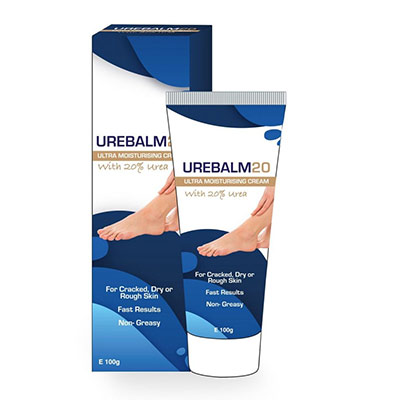
Moisturise with Urebalm20
This is our go-to heel balm for a reason. Urebalm20 contains 20% urea, which hydrates dry skin while softening thick calluses. Urea works by drawing moisture into the skin and gently exfoliating dead cells, leaving your heels softer, smoother, and healthier.
Gentle exfoliation
After a shower, use a pumice stone or foot file to remove excess callus buildup. Avoid over-filing, a light touch goes a long way!
Strapping for support
In cases where deep fissures are painful, your podiatrist can use heel strapping to bring the skin edges together, reduce movement, and protect the area while it heals.
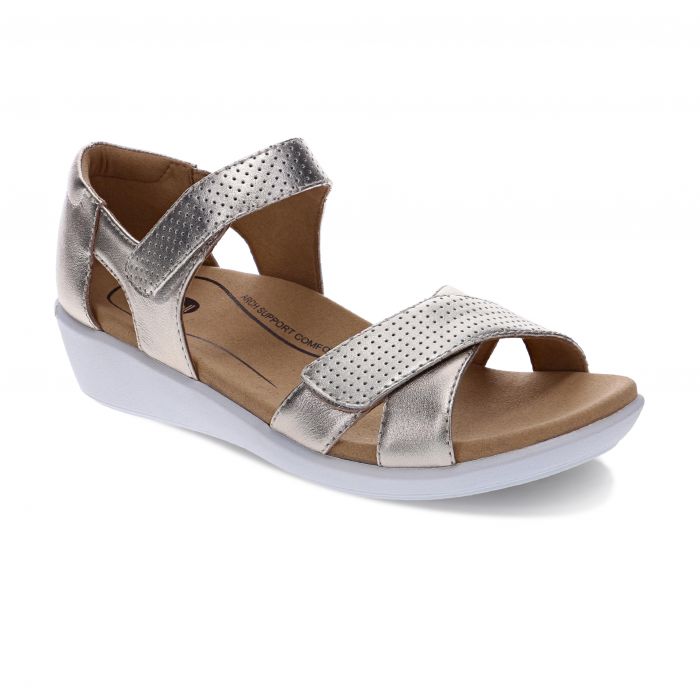
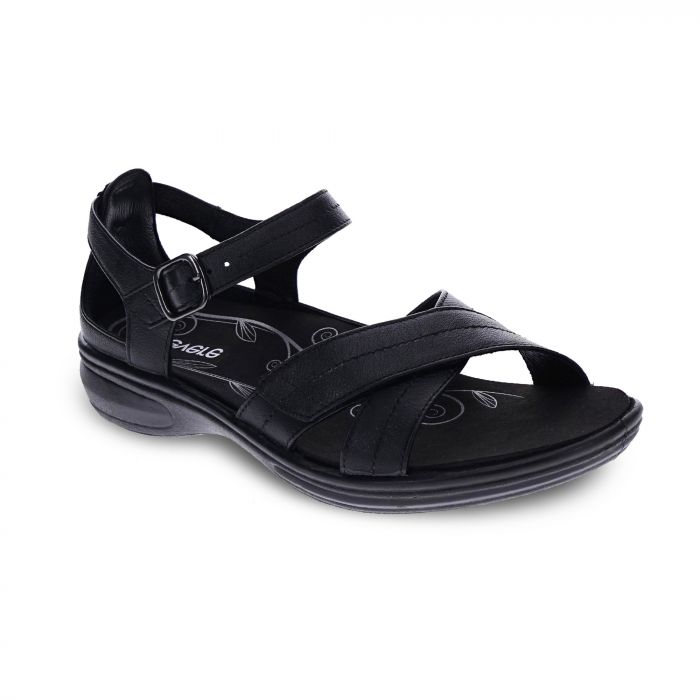
Supportive footwear
Swap flimsy thongs for sandals or shoes with an enclosed heel to reduce sideways pressure.
Keep up daily care
Apply heel balm morning and night, stay hydrated, and give your feet a break when you can.
When to See a Podiatrist?
If your cracks are painful, bleeding, or not improving after a few weeks, it’s time for a professional touch. Your podiatrist can:
- Safely remove thickened skin without damaging healthy tissue
- Use strapping or dressings to promote healing
- Identify any biomechanical or footwear issues contributing to the problem
- Recommend the right creams like Urebalm20
- Create a summer foot care plan to keep your heels soft and pain-free
Healthy heels aren’t just about looks, they’re about comfort, too. If cracked heels are stopping you from slipping into your favourite sandals this summer, book an appointment and step into the season with confidence.