Whether you’re a seasoned athlete or someone who enjoys social sports, the dreaded ankle sprain is a common and painful injury. The idea of wearing an ankle brace may sound like a hassle to some, but does the research actually support their use in preventing injuries? The answer, as it turns out, is a resounding yes, especially for those with a history of sprains.
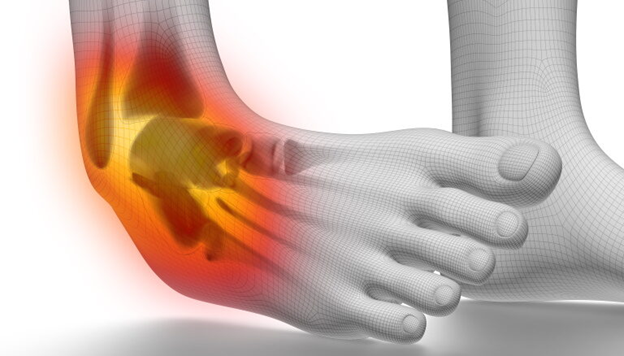
Ankle sprains, particularly lateral ligament sprains, are among the most frequent musculoskeletal injuries. They make up nearly 30% of all sports injuries, and research indicates that once you’ve had one, you’re significantly more likely to sprain the ankle again. This cycle of injury and reinjury is what many experts now label as Chronic Ankle Instability (CAI).
So, where do ankle braces come in?
Recent studies across different sports and populations consistently support the protective role of ankle braces.
A 2024 review by Palermi et al. outlines management strategies for ankle sprains and confirms that braces are an effective preventive tool, especially for athletes who have already sustained an injury. The review emphasised combining bracing with proprioceptive training for best outcomes.
Strapping is another commonly used management strategy for this injury, so how does it compare to ankle braces?
In a 2025 thesis, CM Craig compared ankle braces to athletic taping among collegiate soccer players. The results showed that braces provided superior and more sustained mechanical stability throughout activity. Unlike tape, which can lose tension and effectiveness due to sweat or movement, braces maintained their support, making them a more reliable choice for both training and game-day use.
Do Braces Replace Training?
Absolutely not.
Ankle braces should not be seen as a replacement for proper rehabilitation. Strengthening the ankle and improving proprioception are essential, particularly for long-term recovery.
When Should You Use An Ankle Brace?
- After an initial sprain: To prevent recurrence.
- During high-risk activities: Especially for sports like basketball, soccer, volleyball, or dance.
- If you have CAI: To support weakened ligaments.
- In early rehab stages: As part of a broader injury management program.
What’s the Best Type of Ankle Brace?
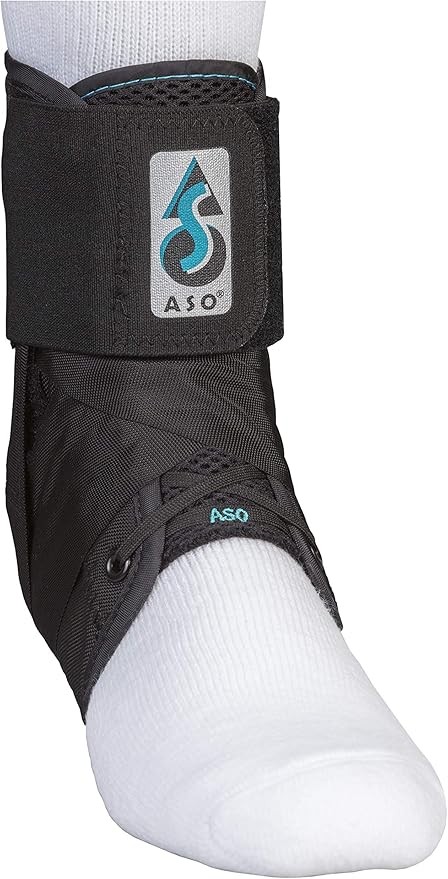
Not all ankle braces are created equal, and the best one for you depends on your activity level, injury history, and comfort needs. For most patients recovering from sprains or dealing with instability, lace-up ankle braces offer a great balance of flexibility and support. They’re easy to wear, fit into most athletic shoes, and provide reliable protection during sports or day-to-day activities.
So, do ankle braces work? Yes – especially when used correctly and consistently. For those at risk of recurrent ankle injuries, they can offer an added layer of mechanical support and protection, especially when paired with strength training and rehab.
If you’ve been dealing with recurring ankle sprains, instability, or just want to prevent injury before it happens, our podiatry team is here to help.
Our team at Galleria Podiatry Perth is ready to help you move better, feel stronger, and get back to doing what you love.
Book an appointment today!
Book an appointment with one of our podiatrists in Perth.